Berlin to Alcobaça, Equipment & Packing
Across Europe by Bicycle
Equipment & Packing
CHAPTER 3
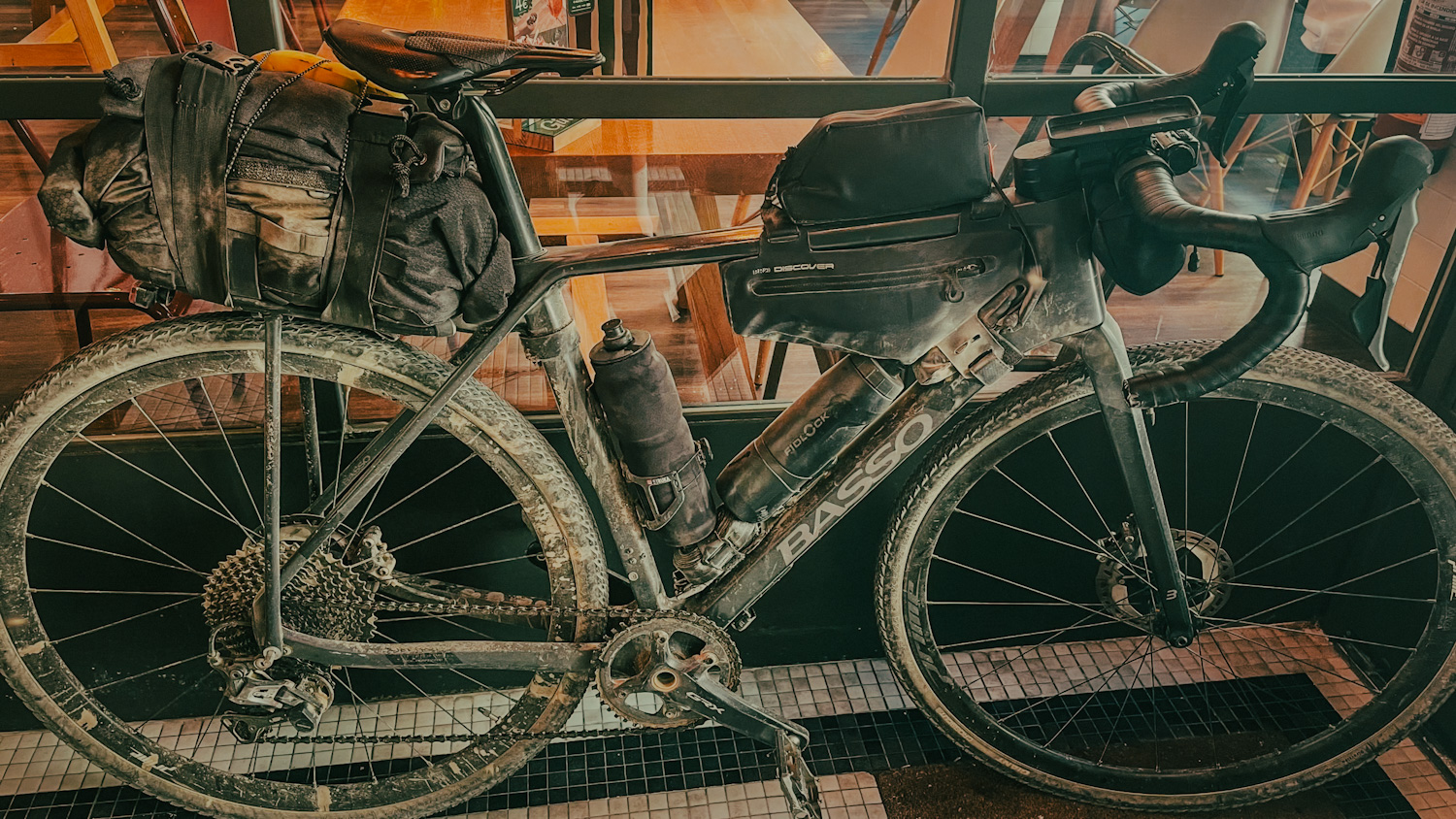
I had chosen this bicycle six years before the journey. After more than forty years of cycling and owning several mountain bikes and road bikes, I decided it was time to have just one bicycle that could do everything.
My Basso became that bicycle.
It was equally at home on gravel tracks, mountain trails and paved roads, giving me the freedom to ride wherever the route led. That versatility was one of the main reasons I began taking on long-distance cycling trips. Instead of adapting my journeys to the bicycle, I could simply follow the road or leave it behind.
Over the years, these long-distance rides also taught me how to organise my equipment more efficiently. With every trip, I carried less and refined my packing system until only the essentials remained. And when I say essentials, I really mean the minimum.
The rear rack that supported my main bag was also something I designed and built myself. Weighing just under 300 grams, it proved to be both lightweight and reliable throughout the journey.

One of the versions of the super-light rack I tested
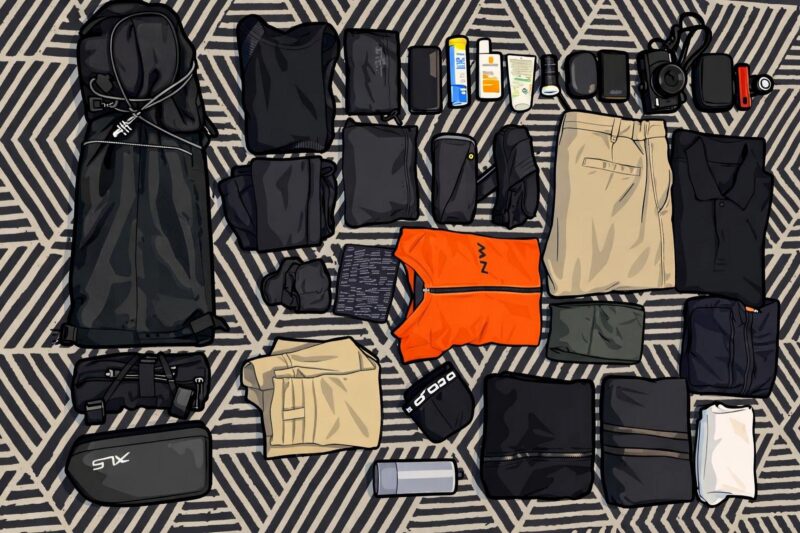
I’ll cover my complete packing system in a separate article, but for this trip everything fitted into just four bags. The largest weighed a little over 3 kg, and my total luggage never exceeded 6 kg, excluding water.
Travelling this light required a few conscious compromises. One of them was committing to wash and dry my cycling clothes every day for the entire twenty-day journey. Instead of carrying enough clothing for several days, I relied on a simple routine that allowed me to keep my luggage to a minimum.
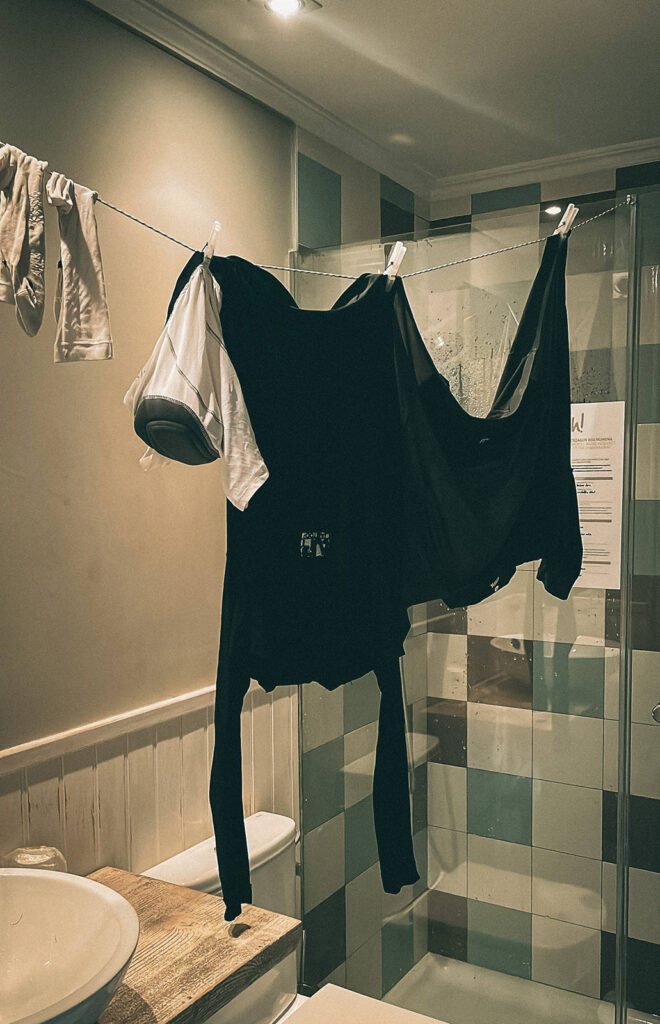
Even so, I still carried one complete spare cycling kit. It was a deliberate decision, providing a margin of safety in case of bad weather, damaged clothing or simply not having enough time for everything to dry overnight.
Another decision, based on years of experience, was not to carry a backpack. Although it might seem practical, I have learned that wearing a backpack for long days on the bicycle quickly becomes uncomfortable. Keeping all the weight on the bicycle made the ride more enjoyable and far less tiring.
The only item I carried on my body was my camera. Photography was an important part of this journey, so I wanted it within easy reach at all times. Everything else remained on the bicycle, leaving my back free and making long days in the saddle far more comfortable.
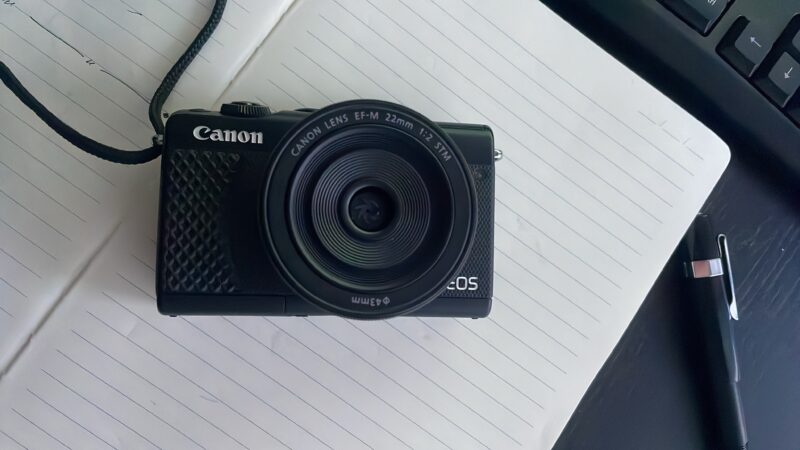
The camera I carried throughout the journey was a Canon M100. At the time, it offered exactly what I was looking for: good image quality in a compact and lightweight body. For a trip where every gram mattered, it was the right balance between performance, simplicity and portability.
Thank you for reading.
If you’d like to follow the journey from Berlin to Alcobaça as new chapters are published, subscribe to the newsletter and receive each chapter directly in your inbox.
If this chapter brought back memories, inspired you, or simply made you pause for a moment, I’d love to hear your thoughts in the comments below.
Subscribe to the Newsletter | Leave a Comment
Next Chapter
Food & Hydration
“Riding across Europe wasn’t only about covering the distance. Every day depended on a simple but carefully planned strategy for food, hydration and energy. Before turning a single pedal, I had already spent months finding a system that would keep me moving from Berlin to Alcobaça.”
→ Read Chapter 4 of 18 (Coming Soon)
Deixe um comentário