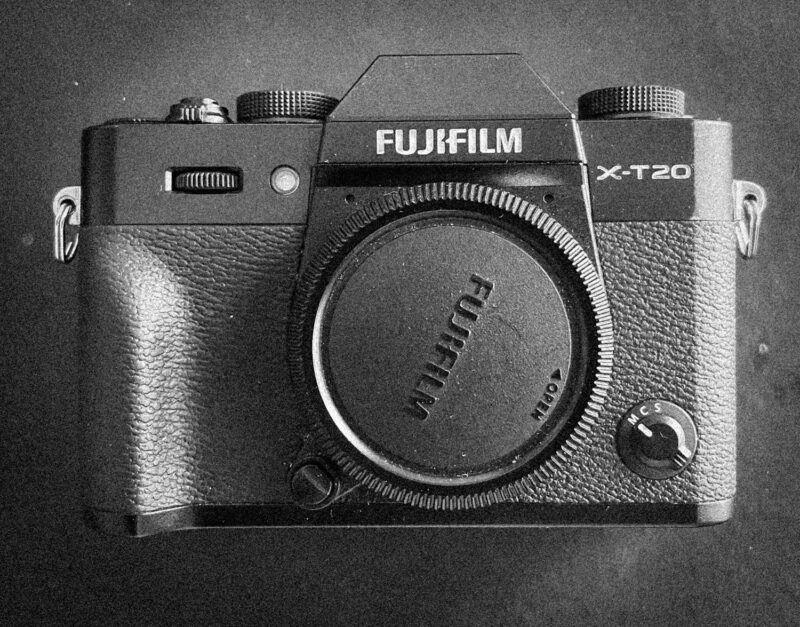
My new, Fujifilm “X-T20” 10 years old in 2026
Starting a New Journey with the Fujifilm X-T20
29.06.2026
I have recently become very curious about the world of Fujifilm film simulation recipes and the idea of creating photographs that are ready to use straight out of the camera, with little or no post-processing.
After years of editing RAW files and developing my own workflow, the idea of slowing down, making creative decisions in-camera, and relying more on JPEGs feels both refreshing and challenging. I’m genuinely excited to see where this experiment takes me.
Over the coming months, I plan to explore different film simulations, experiment with various looks and moods, and share the photographs I create along the way. It will be interesting to see how this approach influences not only the final images but also the way I photograph.
For this journey, I will be using two lenses: the TTArtisan 25mm f/2 Fuji X and the Fujifilm XF 23mm F/2.8 R WR. Together, they offer two different perspectives while keeping the entire kit compact and lightweight, which perfectly suits the way I like to work and travel.
First Impressions
After spending some time with the camera, these were my initial thoughts:
- The menus, settings, and shortcuts are practical and easy to use.
- The camera is surprisingly compact and lightweight, weighing only around 350g.
- It has a beautiful classic design with a solid, well-built feel.
- Having a viewfinder was an important requirement for me this time, and the X-T20 delivers exactly what I was looking for.
- Paired with the Fujifilm XF 23mm F/2.8 R WR, the entire setup weighs around 490g, which makes it fantastic for travelling and even for taking with me on cycling trips.
- The grip feels comfortable and secure despite the camera’s small size.
So far, the Fujifilm X-T20 feels like a camera that invites you to slow down and enjoy the process of making photographs. I’m looking forward to discovering its strengths, learning its limitations, and seeing whether the famous Fujifilm film simulations will eventually become part of my own photographic style.
01.07.2026 – TTArtisan 25mm f/2 Fuji X – I just received my new lens today, and my first impression is… it’s heavy and solid! After receiving and testing this lens, I quickly realised that taking it with me on my cycling trips is simply out of the question.
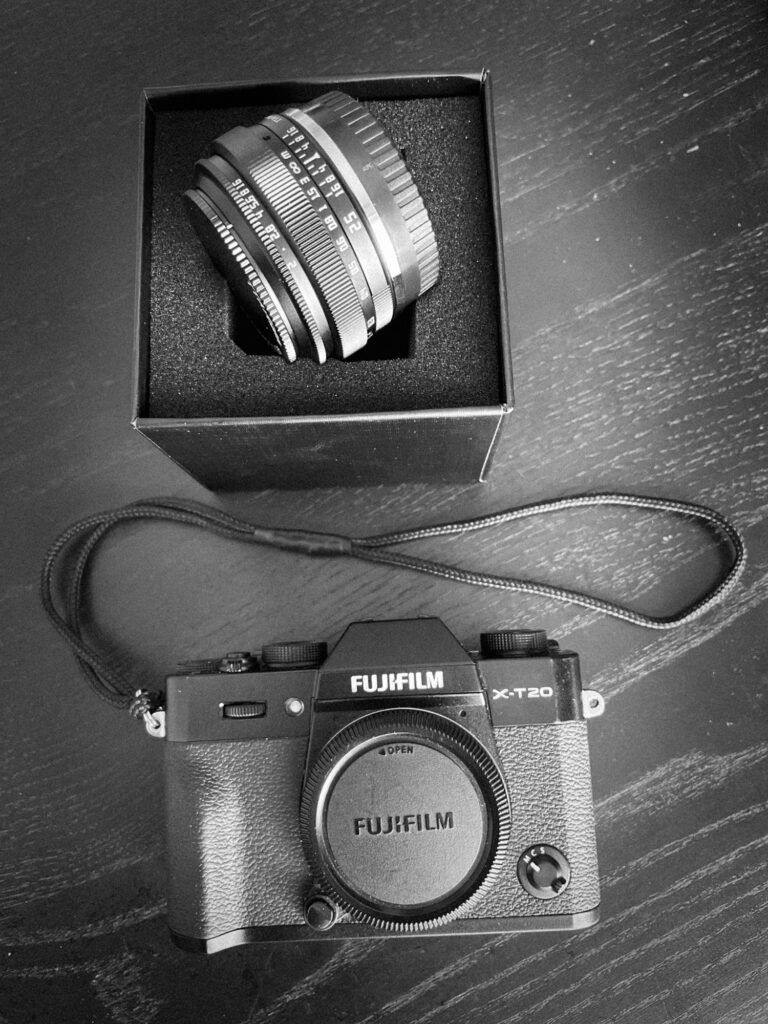
03.07.2026
After spending some time with my Fujifilm X-T20 paired with the TTArtisan 25mm f/2, I felt it was the right moment to write down some of my first impressions. I’ll also share my experience with the Fujinon 23mm F/2.8 R WR once it arrives, as I’m curious to see how a native Fujifilm lens changes the overall experience.
I know the X-T20 is no longer a recent camera and that it comes with some limitations compared to Fujifilm’s newer models, especially in terms of customisation options and the number of film simulation settings available. I’m also aware that the X-Trans III recipes are more limited than those created for newer Fujifilm cameras.
But that’s perfectly fine.
This is the camera I have at the moment, and part of the fun is learning to work within its limitations and discovering what it does well. 🙂
As for the shooting experience itself, it took me a few hours to get comfortable with the camera and readjust to shooting fully manually. I usually enjoy having control over my settings, but I still rely on a few automatic functions from time to time.
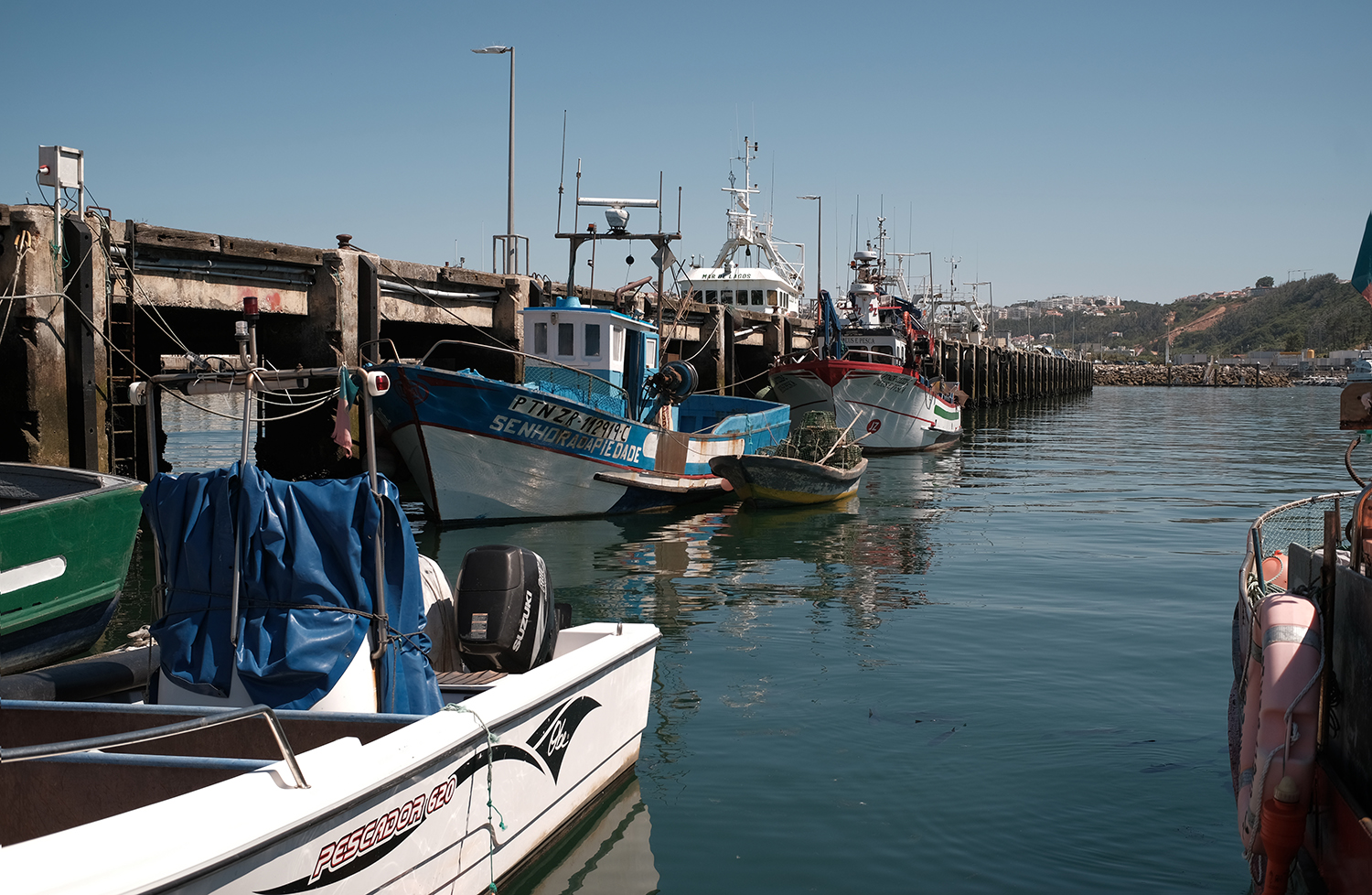
Today’s session in Nazaré was different. Because of the characteristics of the TTArtisan lens, I had to slow down and think about every single aspect of the photograph. Focus, exposure, composition—everything required my attention. In a strange way, it felt refreshing. It reminded me why I fell in love with photography in the first place.
I also have to be honest with myself and with anyone reading this.
One of the main reasons I became interested in Fujifilm was the endless praise surrounding its film simulations and the idea of beautiful JPEGs straight out of the camera. I read countless articles and watched many videos about them, and all of that created a lot of excitement and expectations.
So, when I finally picked up the X-T20 and took my first photographs using PROVIA/Standard, my immediate reaction was:
“The photos look cooler, and the greens look different!”
That was genuinely my first thought.
Of course, I know the lens plays an important role in the way colours and contrast are rendered. I already expected the TTArtisan to have its own character, so I’m keeping an open mind until I can test the camera with the Fujinon 23mm F/2.8 R WR.
Maybe the combination of a native Fujifilm lens and the camera’s film simulations will produce results that better match my personal taste.
After those first impressions, I decided to spend an entire day exploring Fujifilm’s film simulations and trying different recipes.
Unfortunately, the more I experimented, the more I felt slightly disappointed.
None of the simulations seemed to fit my personal style or produce images that felt particularly useful for the type of photography I enjoy. I was expecting something with a little more subtlety and character, but my honest impression was:
“This feels like I’m simply applying automatic filters for an Instagram post.”
That’s obviously a very personal opinion, and I completely understand why so many photographers love Fujifilm’s simulations. They simply didn’t click with me straight away.
I also spent some time testing several recipes from Fuji X Weekly. The website is a fantastic resource, and I found the recipes genuinely interesting. However, after trying many of them, I ended up discarding most because I simply didn’t enjoy the results.
After a lot of experimentation and a few adjustments of my own, I eventually settled on two setups that seemed promising.
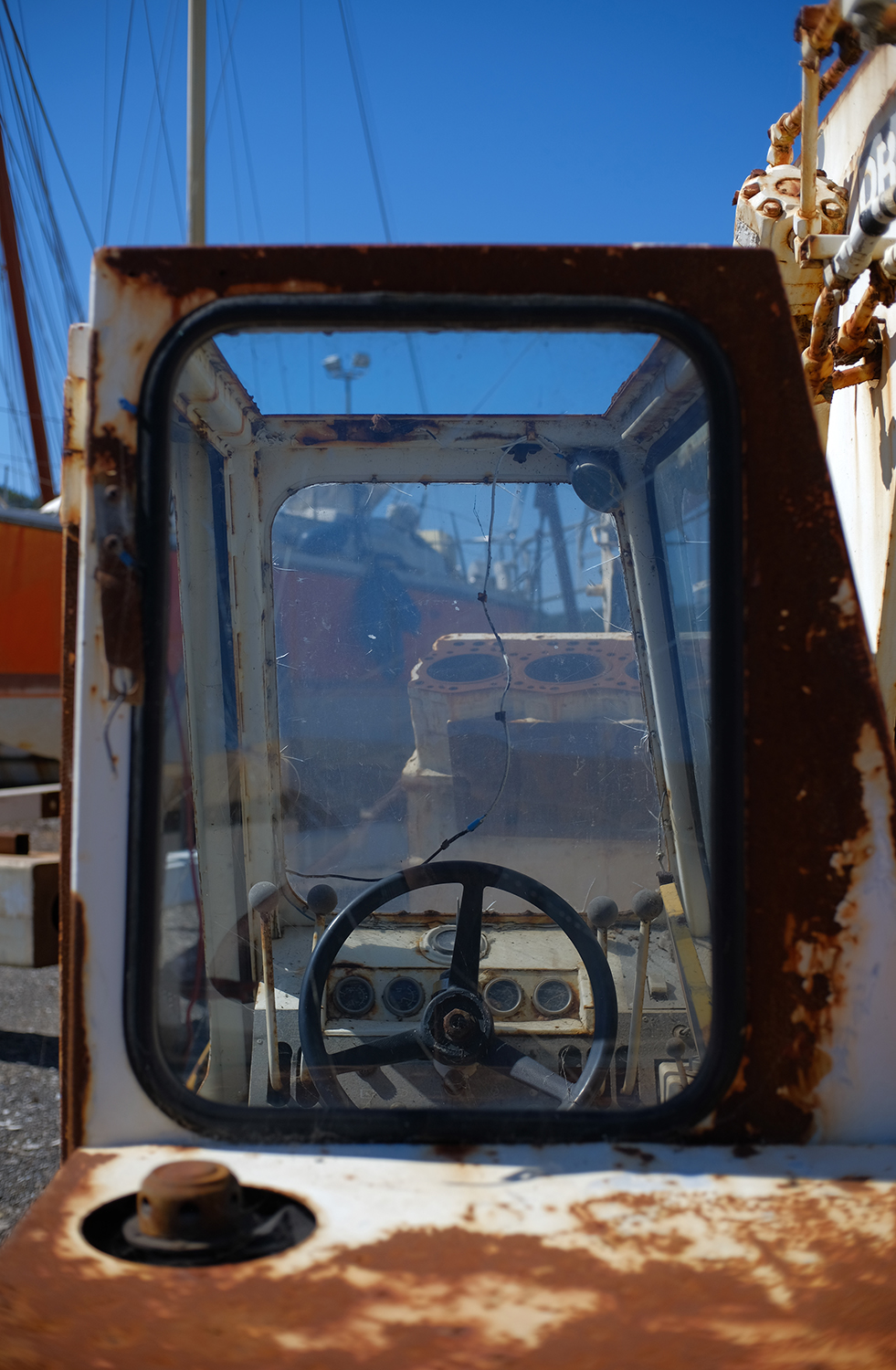
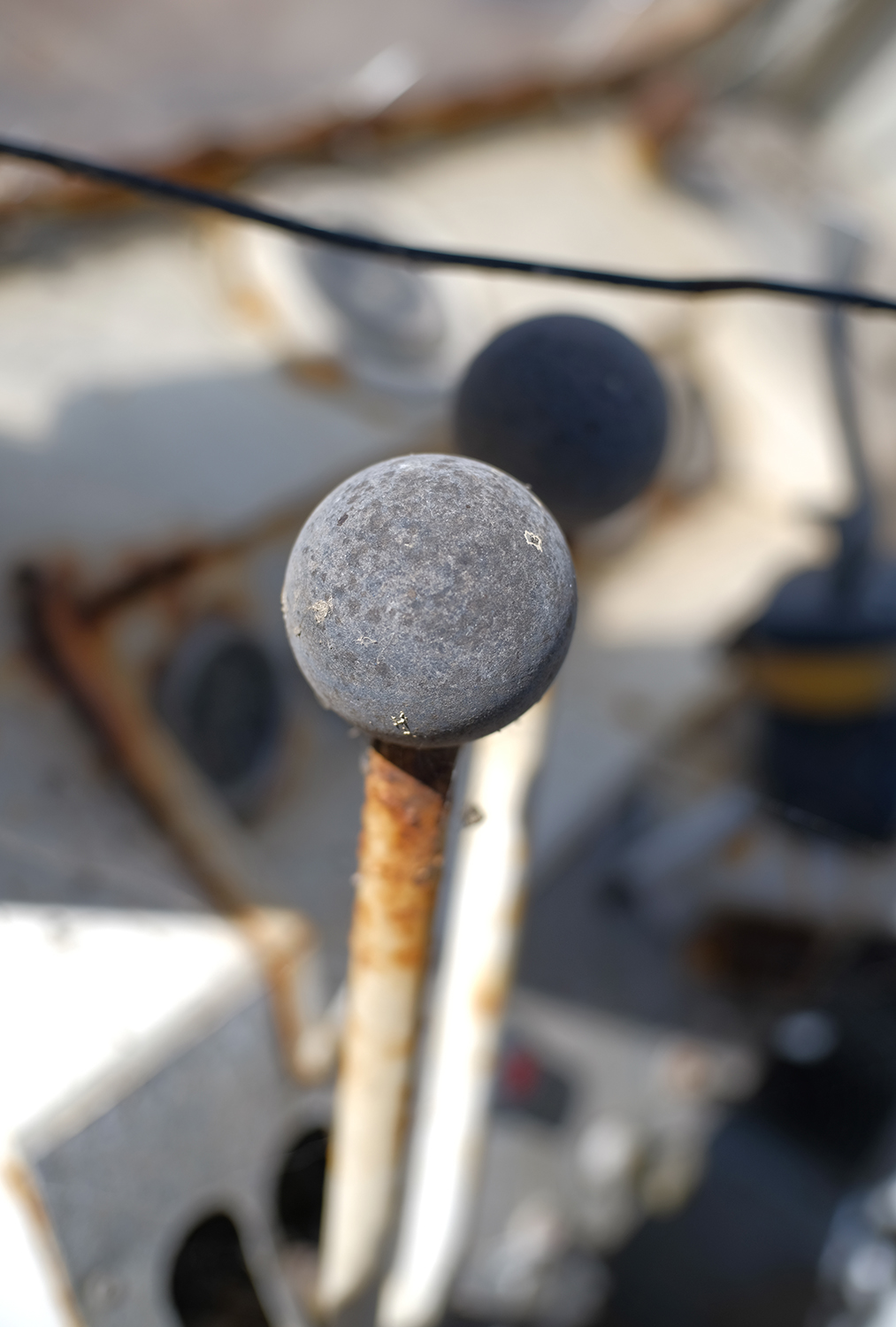
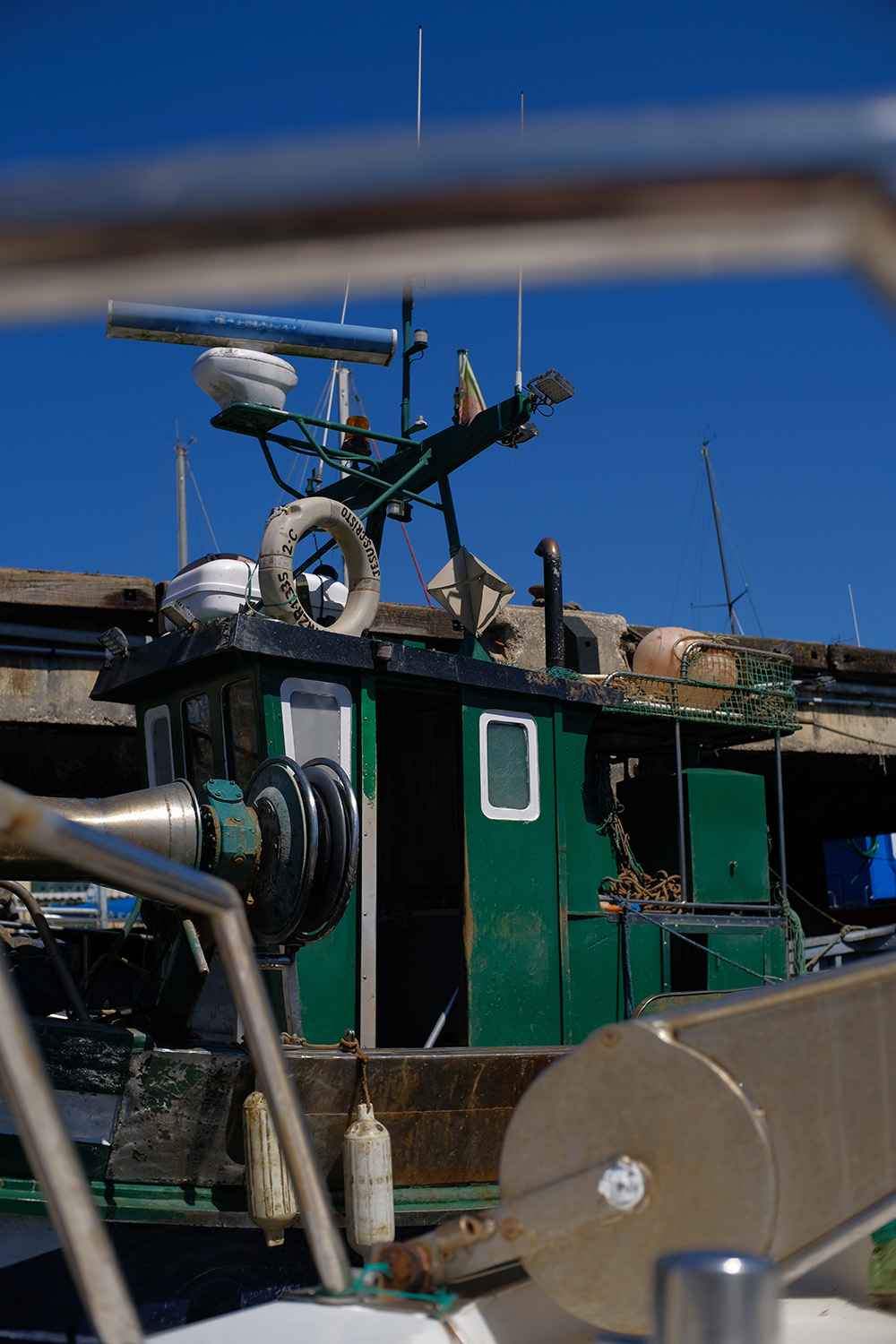
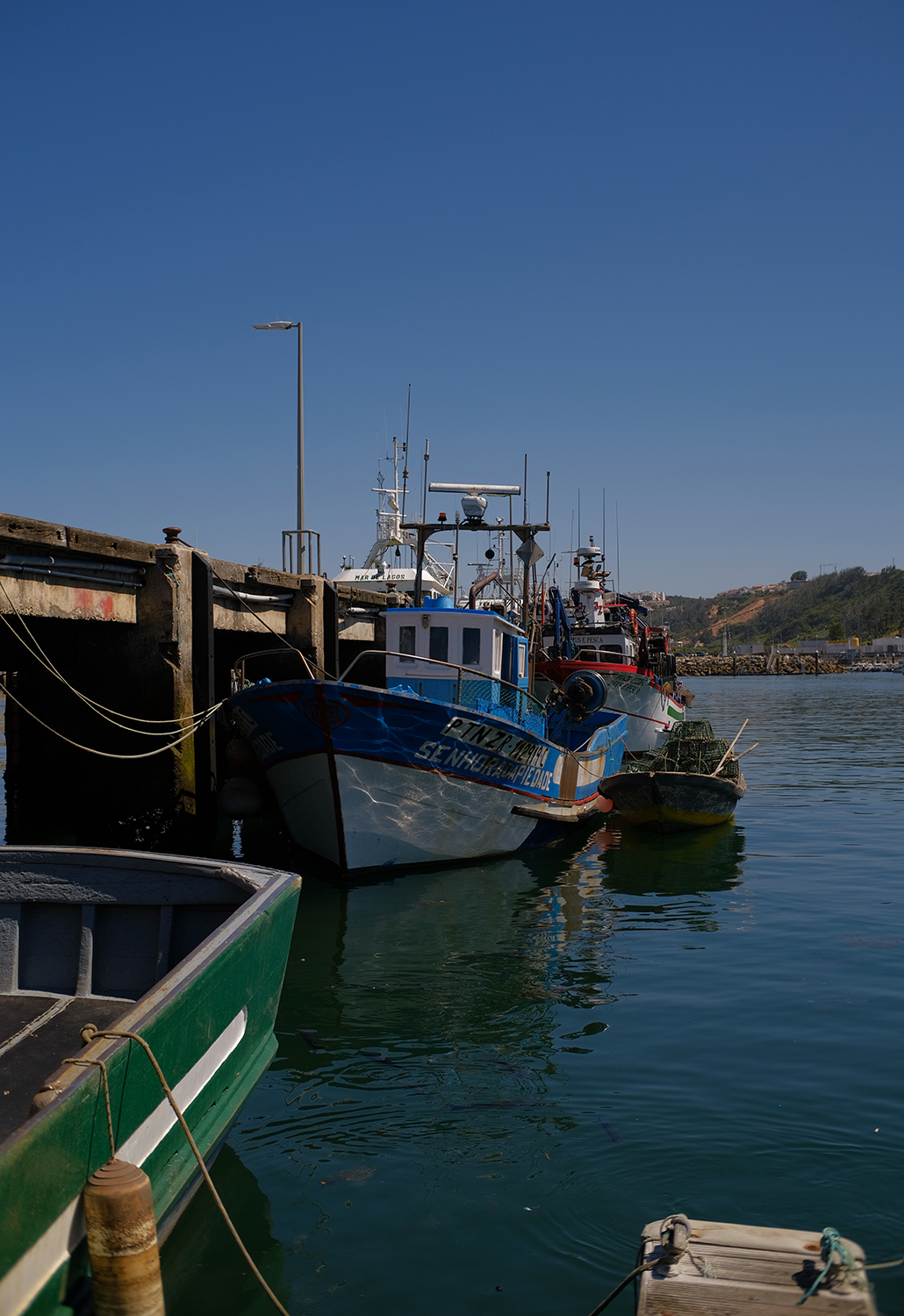
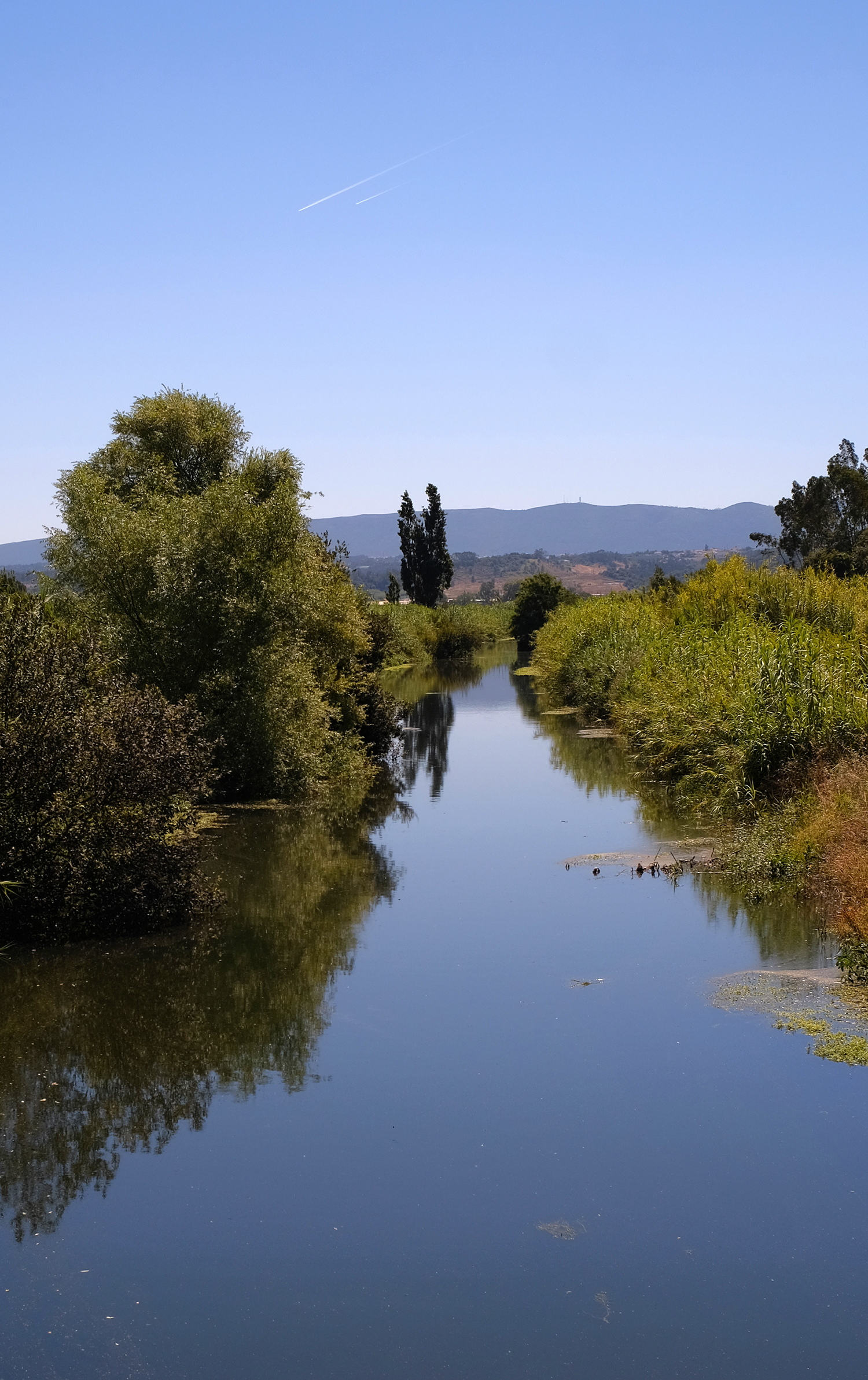
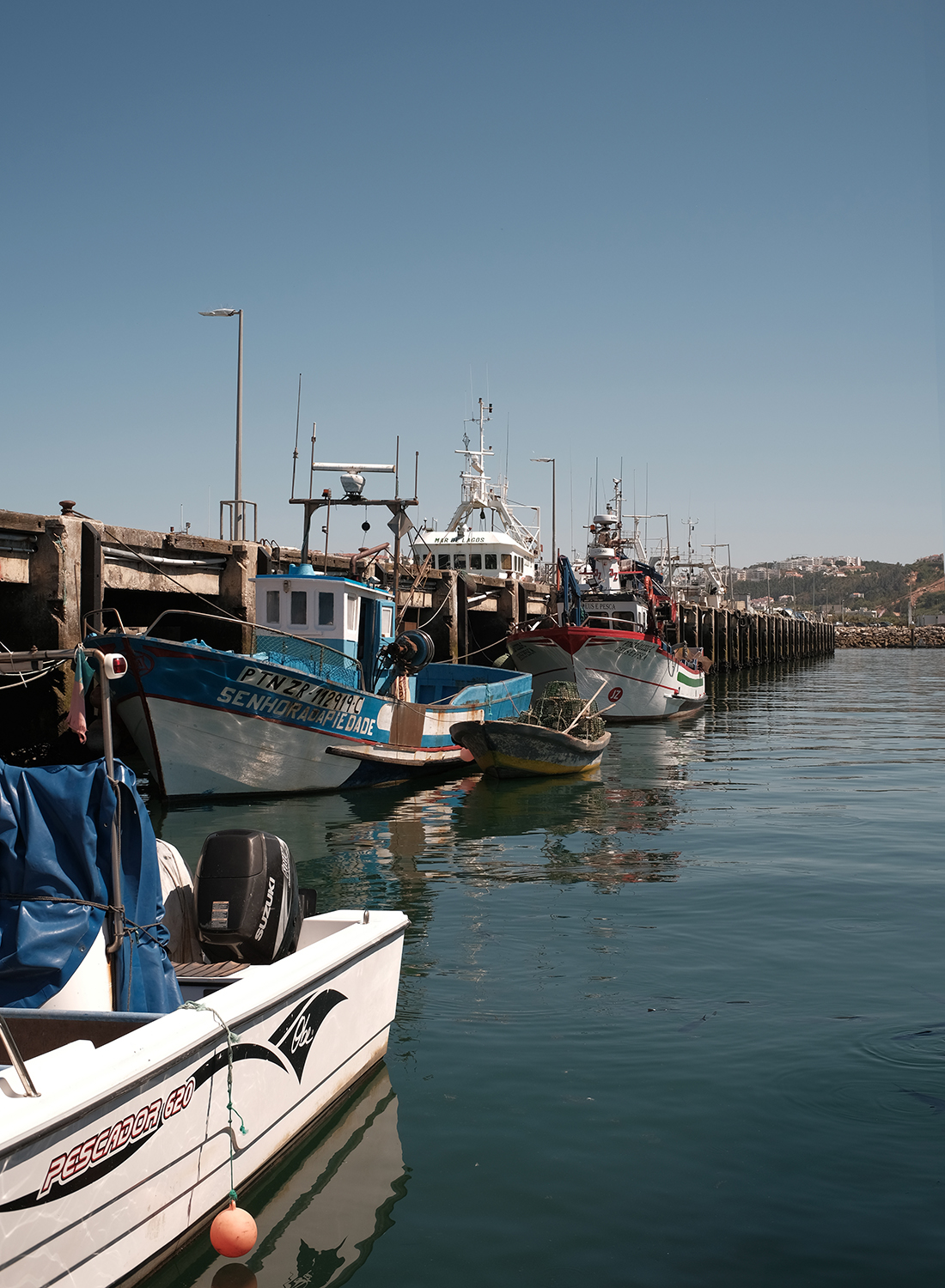
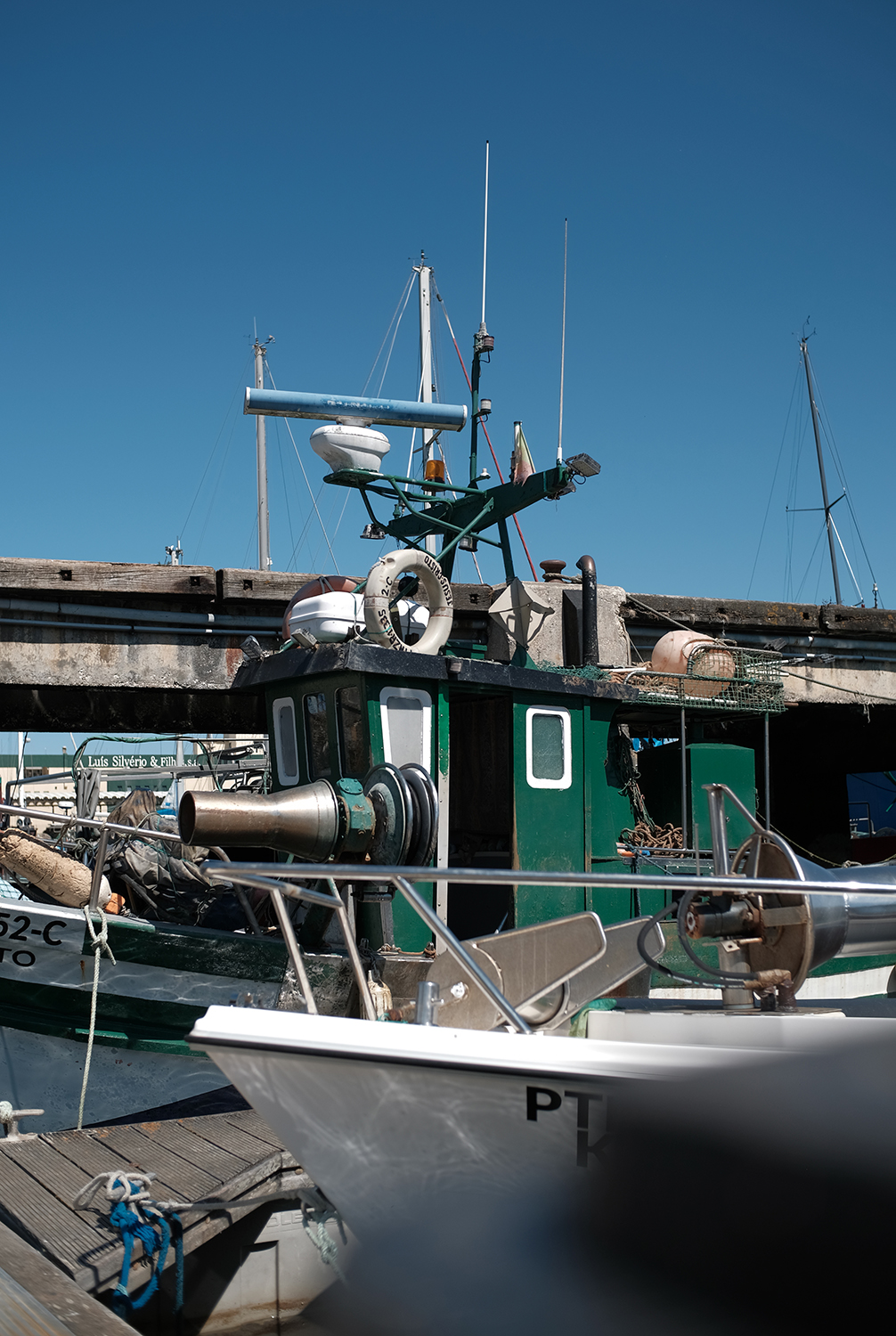
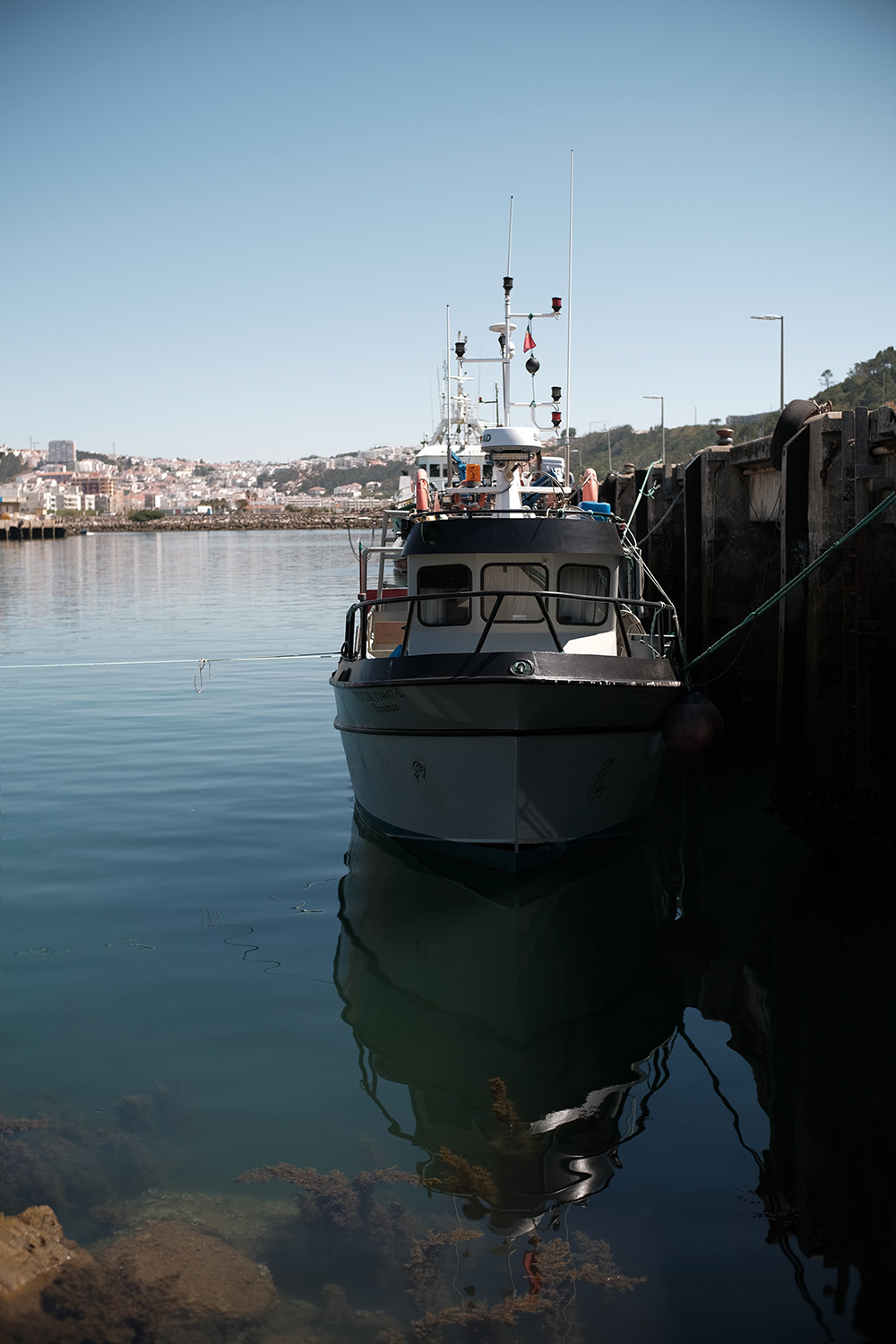
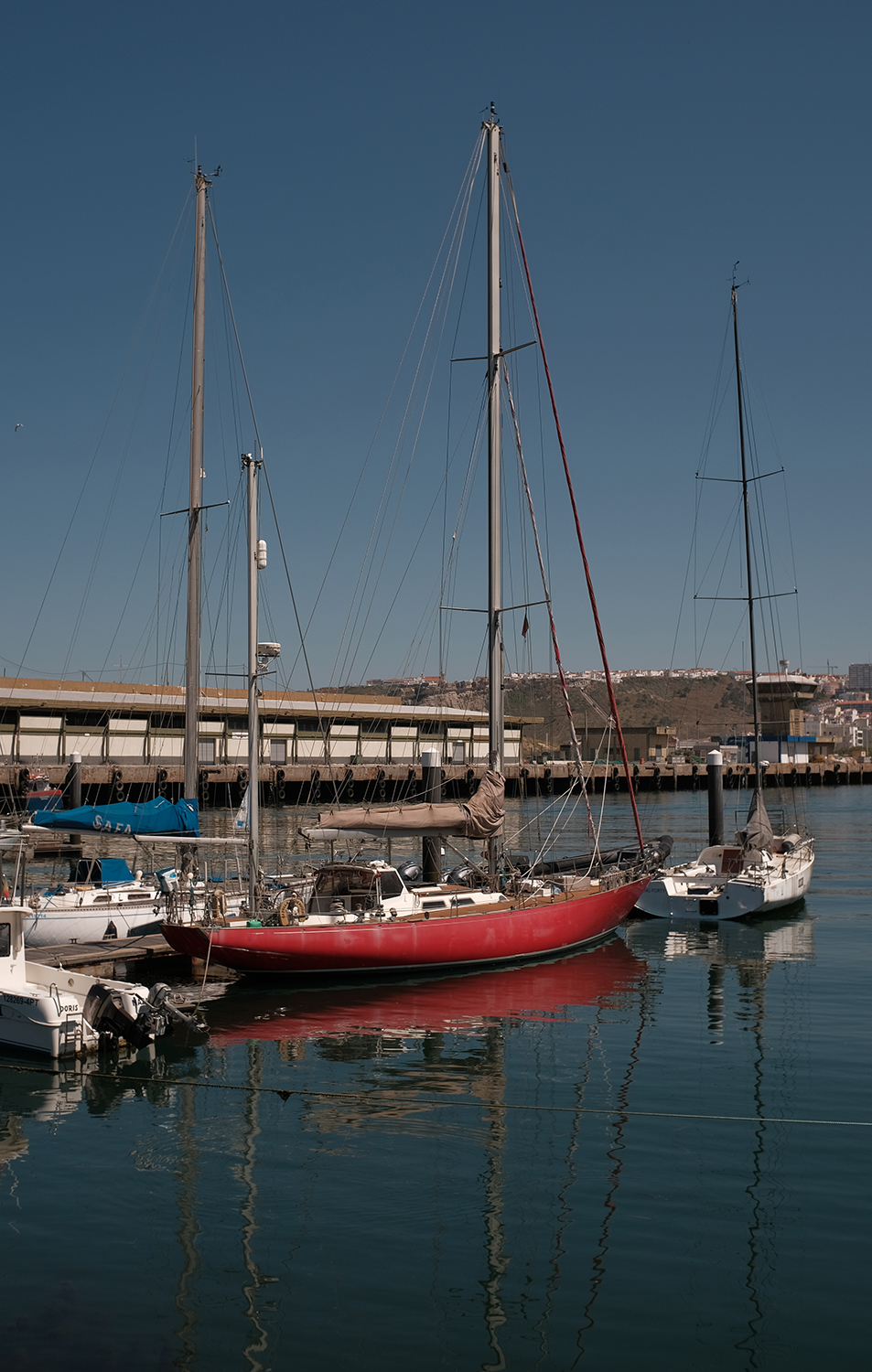
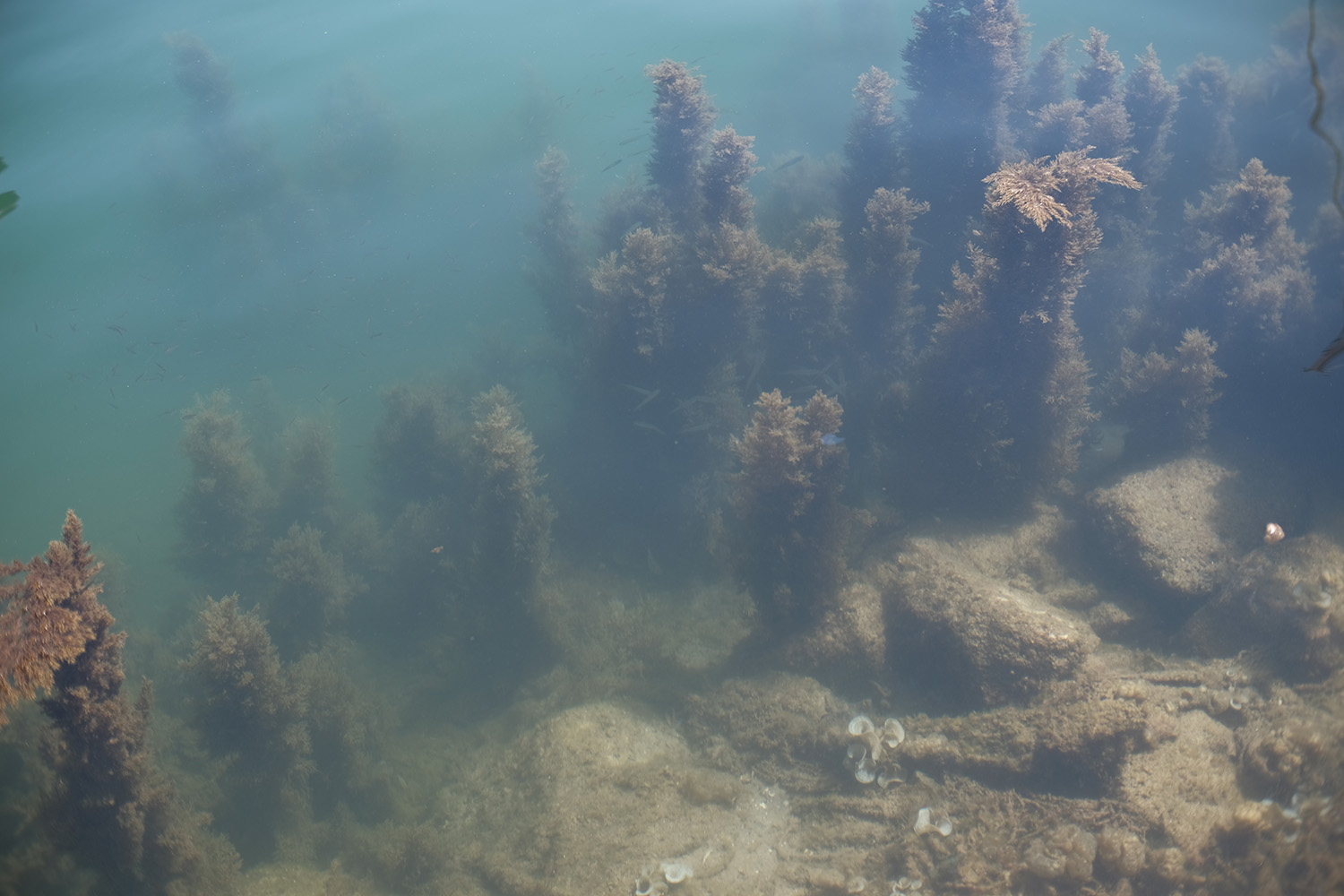
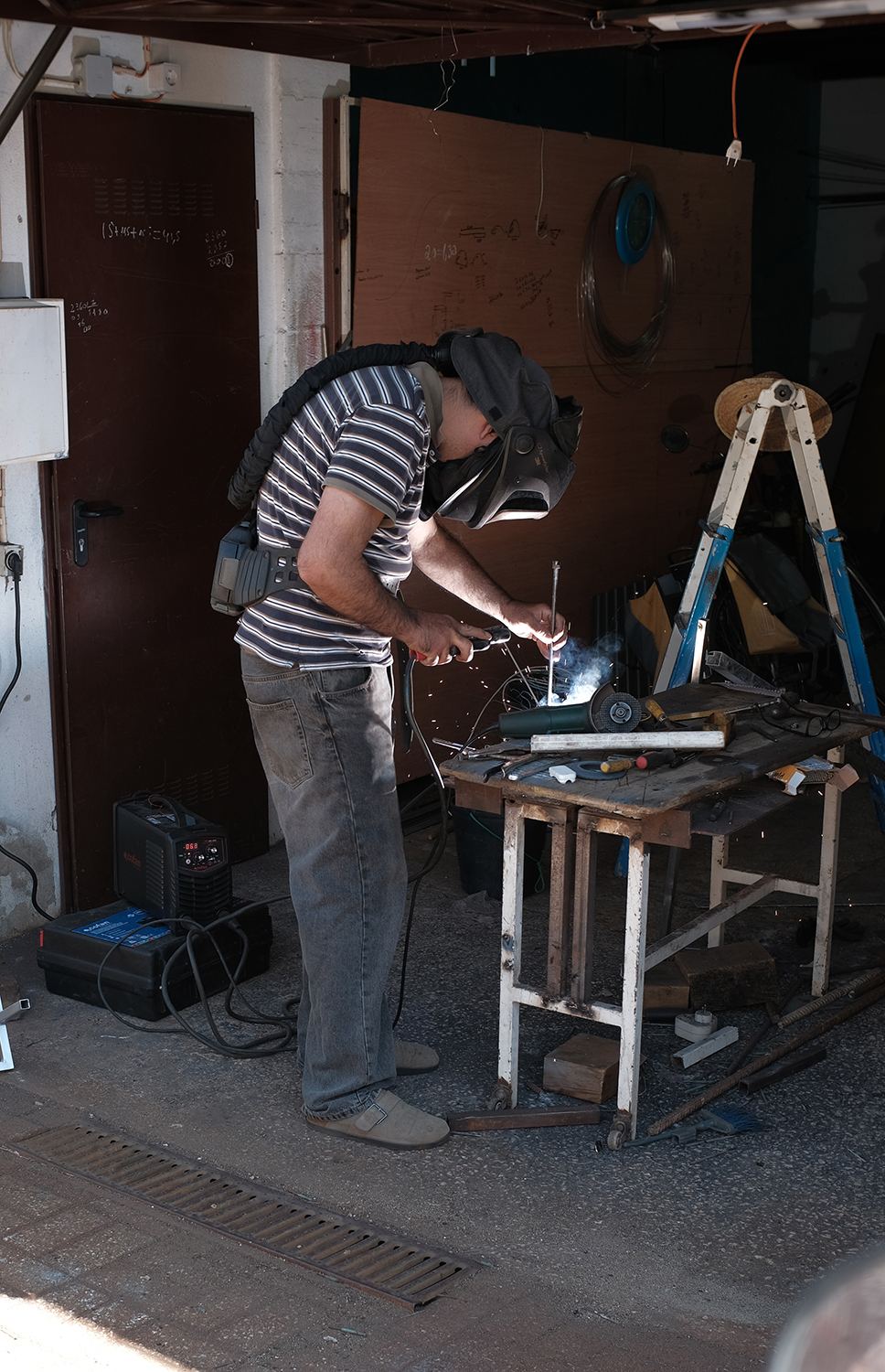
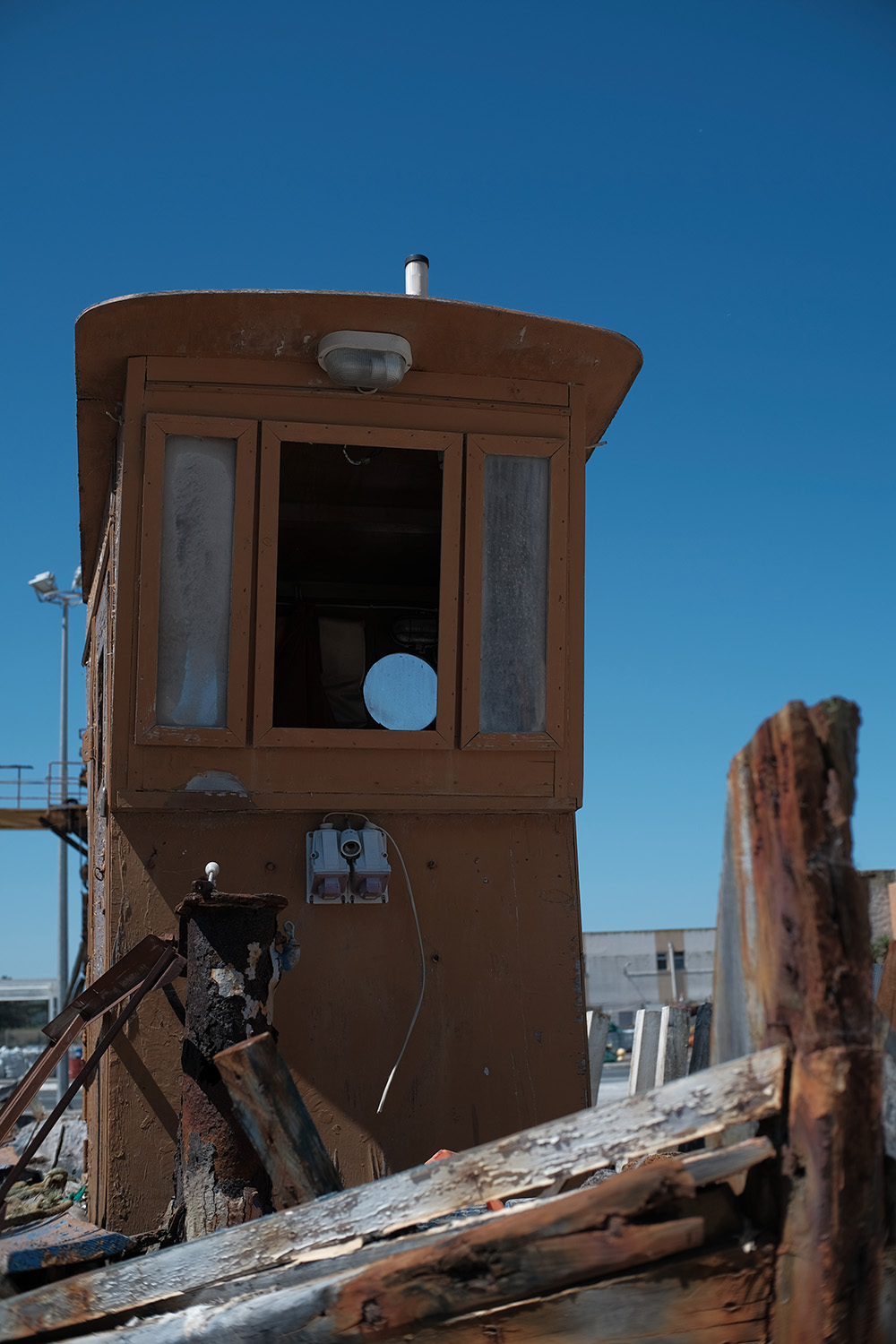
Below you’ll find a gallery of photographs taken at Nazaré Harbour, along with the film simulation settings used for each image. Every photograph shown here ( jpg ) straight out of the camera, with no additional editing or post-processing.
Lens: TTArtisan 25mm f/2 Fuji X
Camara : Fujifilm X-T20
Film Setings: ” ASTIA “
” ASTIA NENO BASE 551 “
Dynamic Range: Auto
Highlight: -1
Shadow: -2
Color: -1
Noise Reduction: 0
Sharpening: 0
Clarity: +3
Grain Effect: Off
White Balance: Auto
ISO: Auto
Exposure Compensation: (typically)


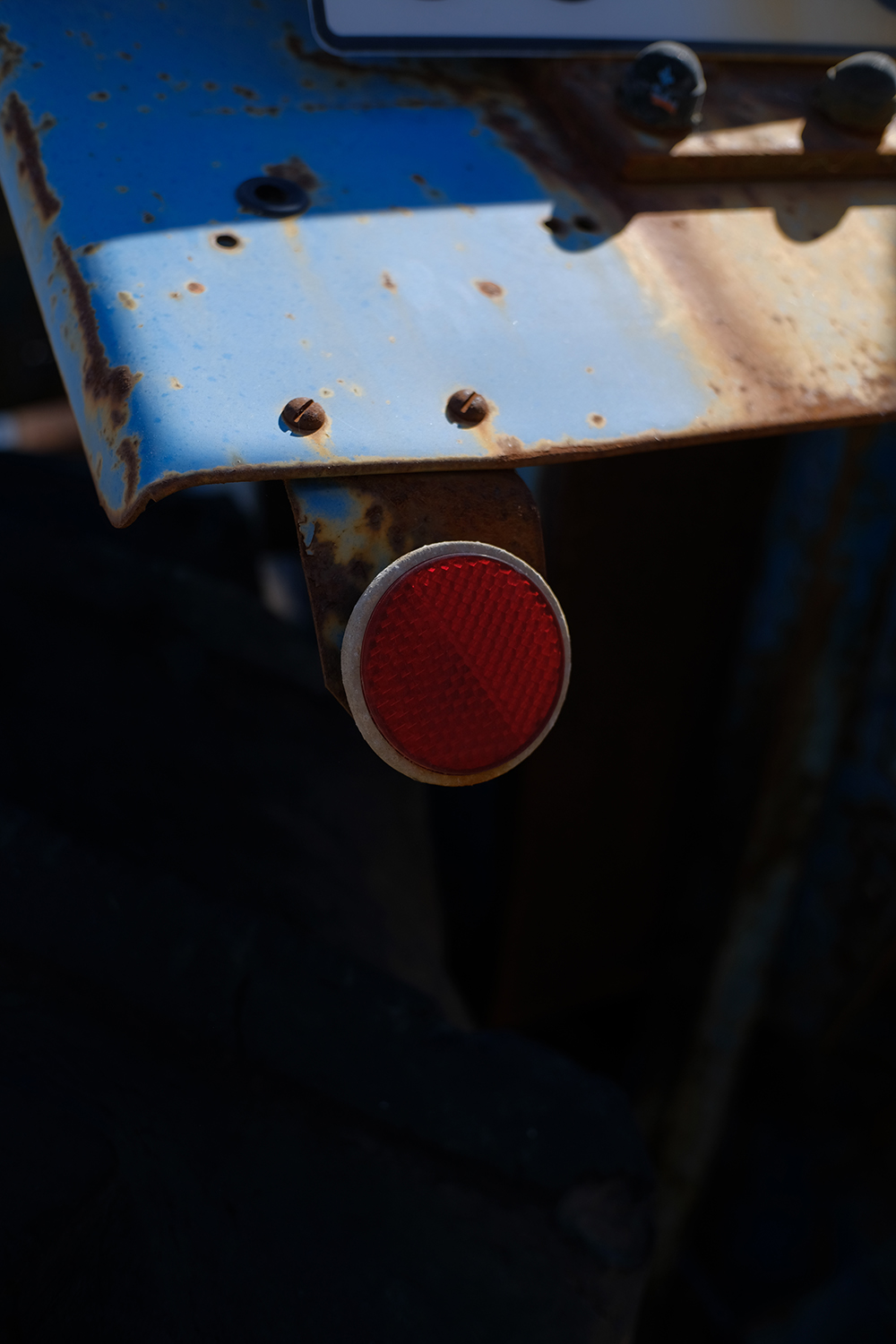

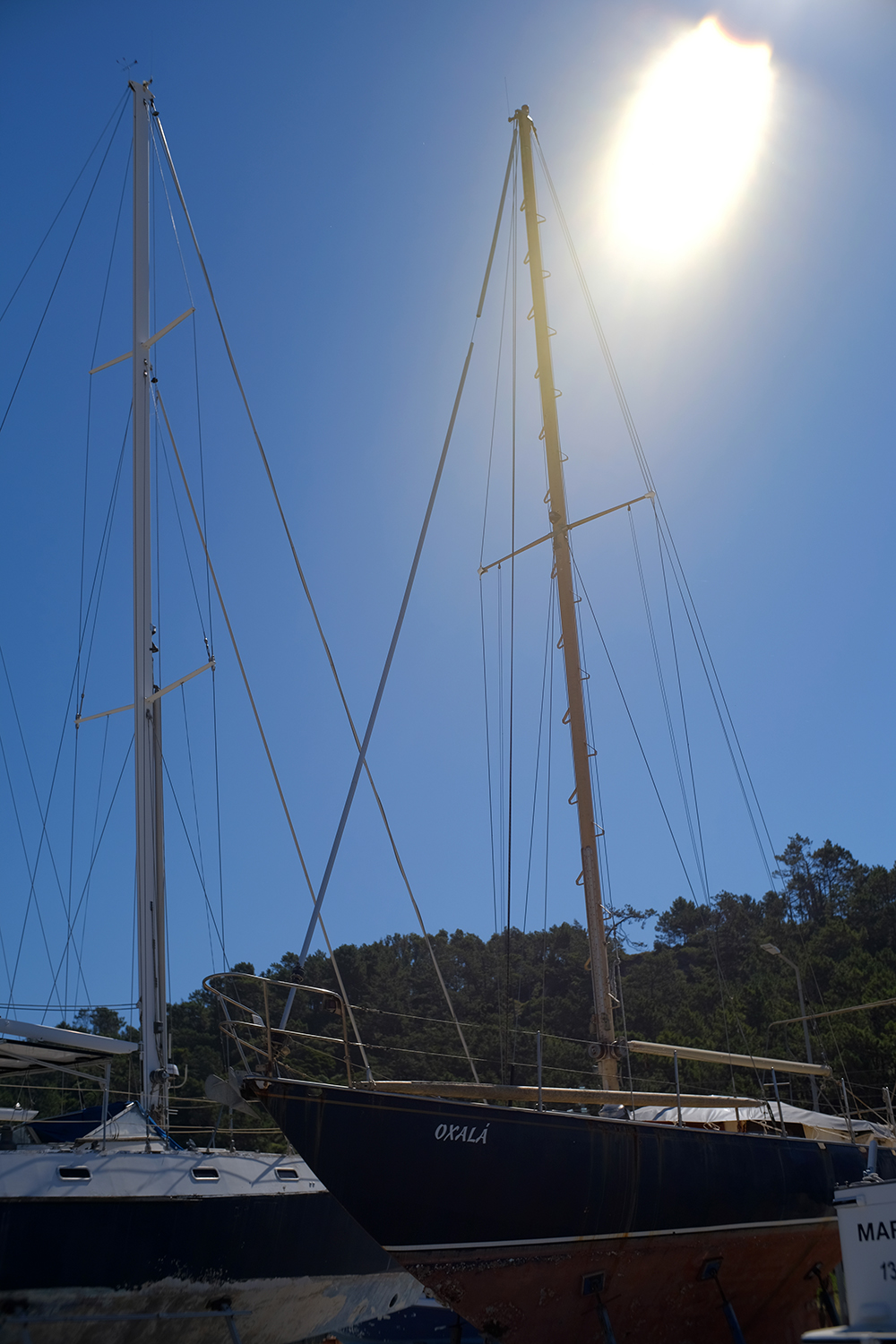
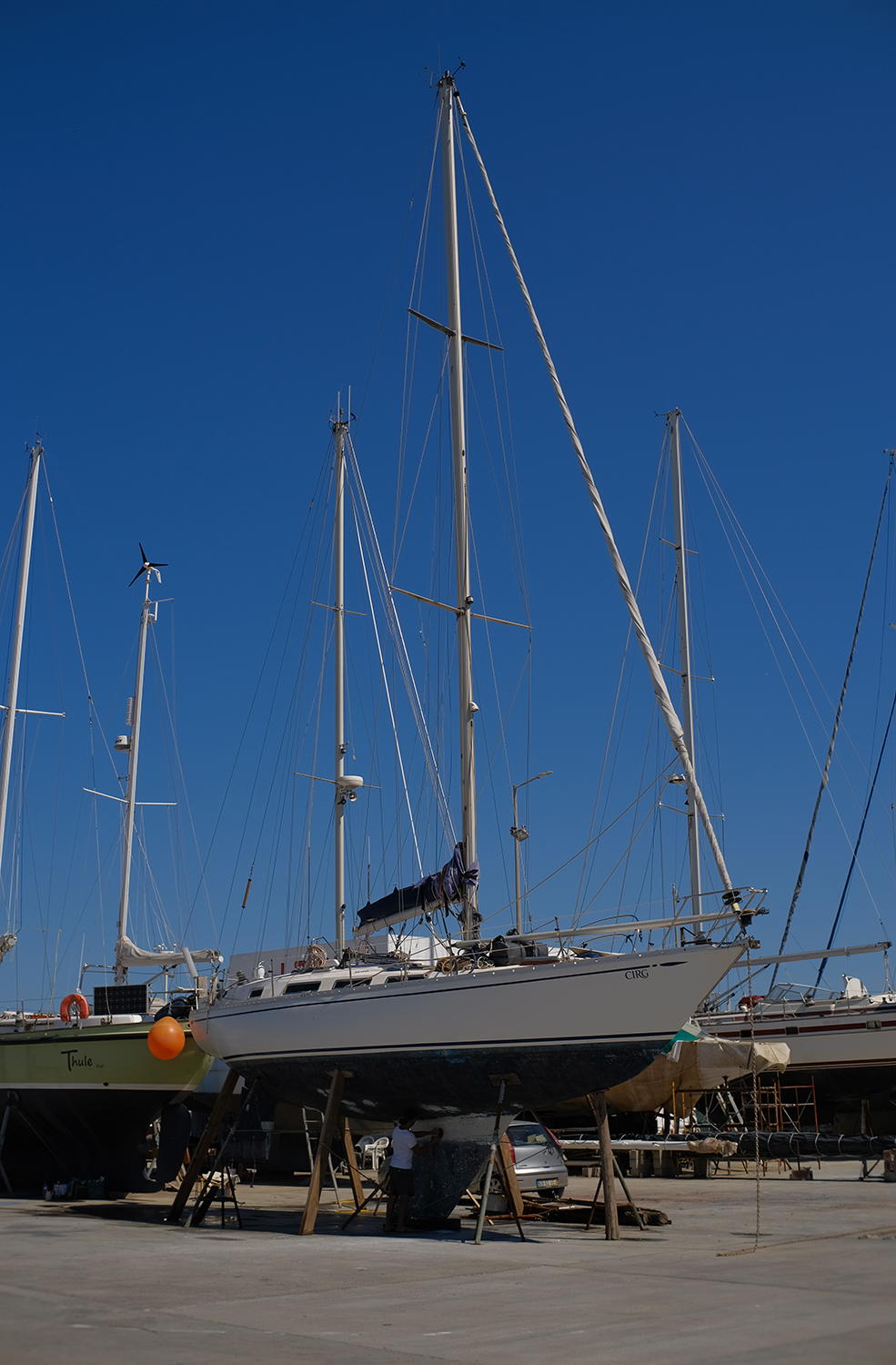
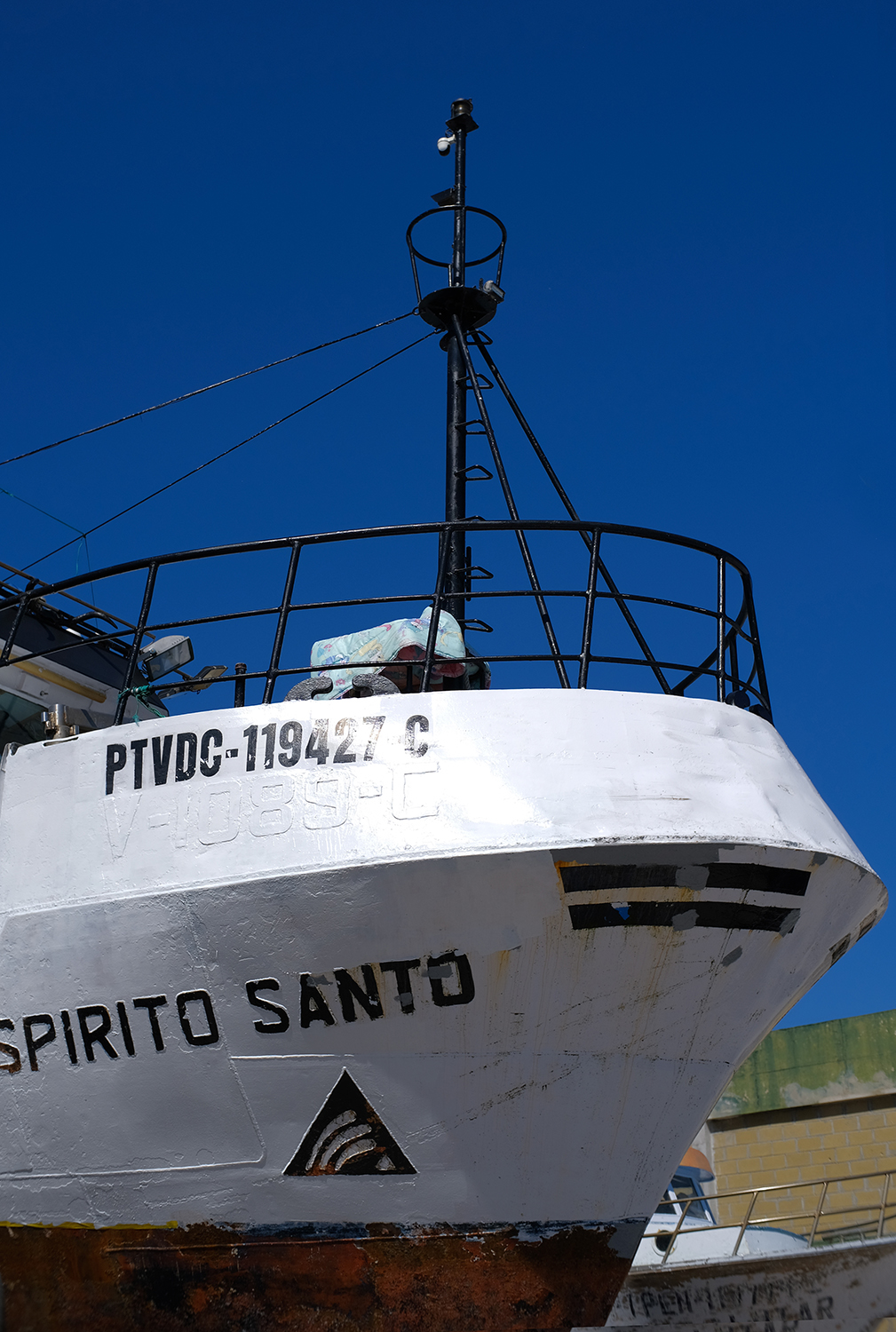

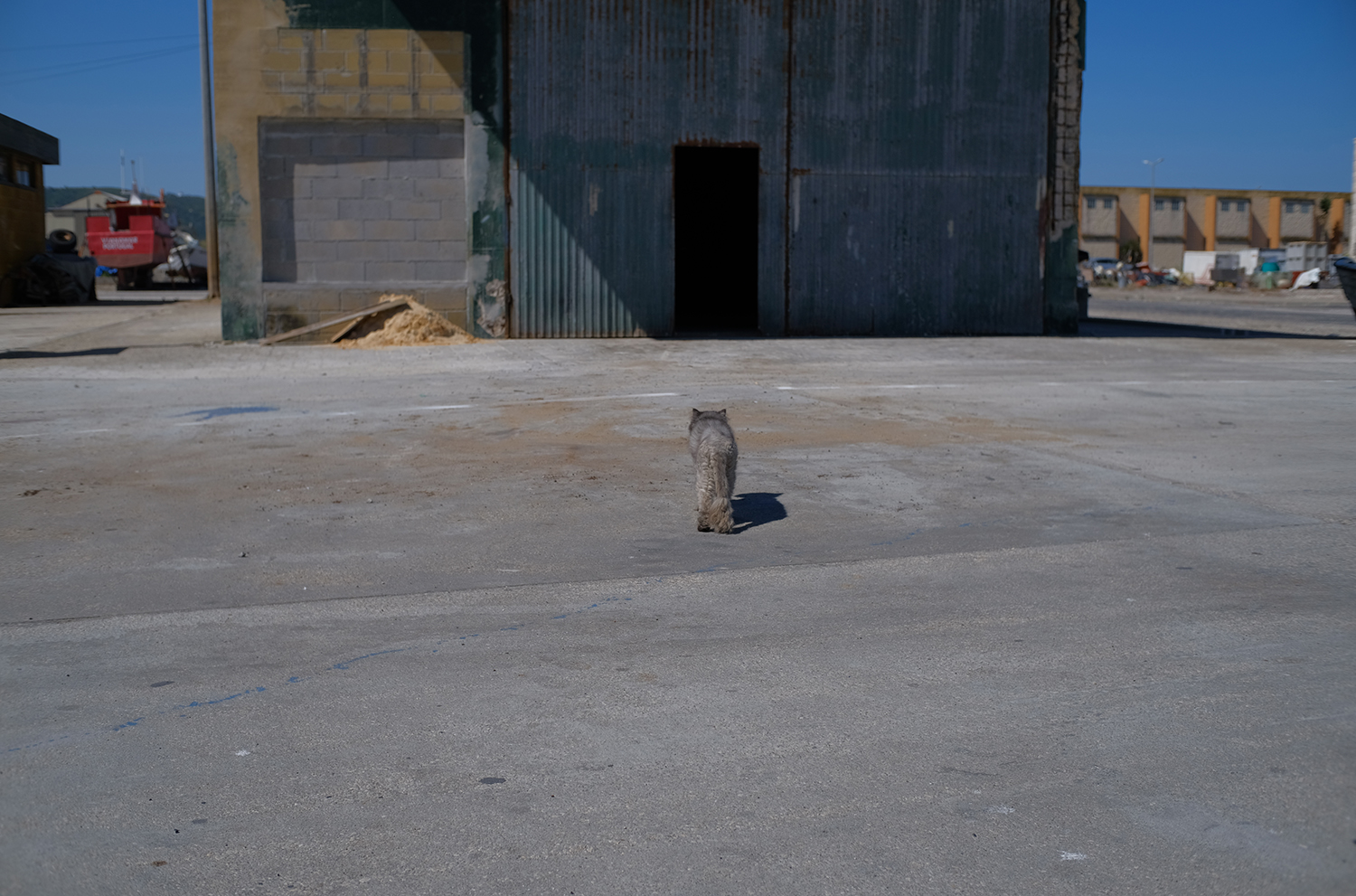
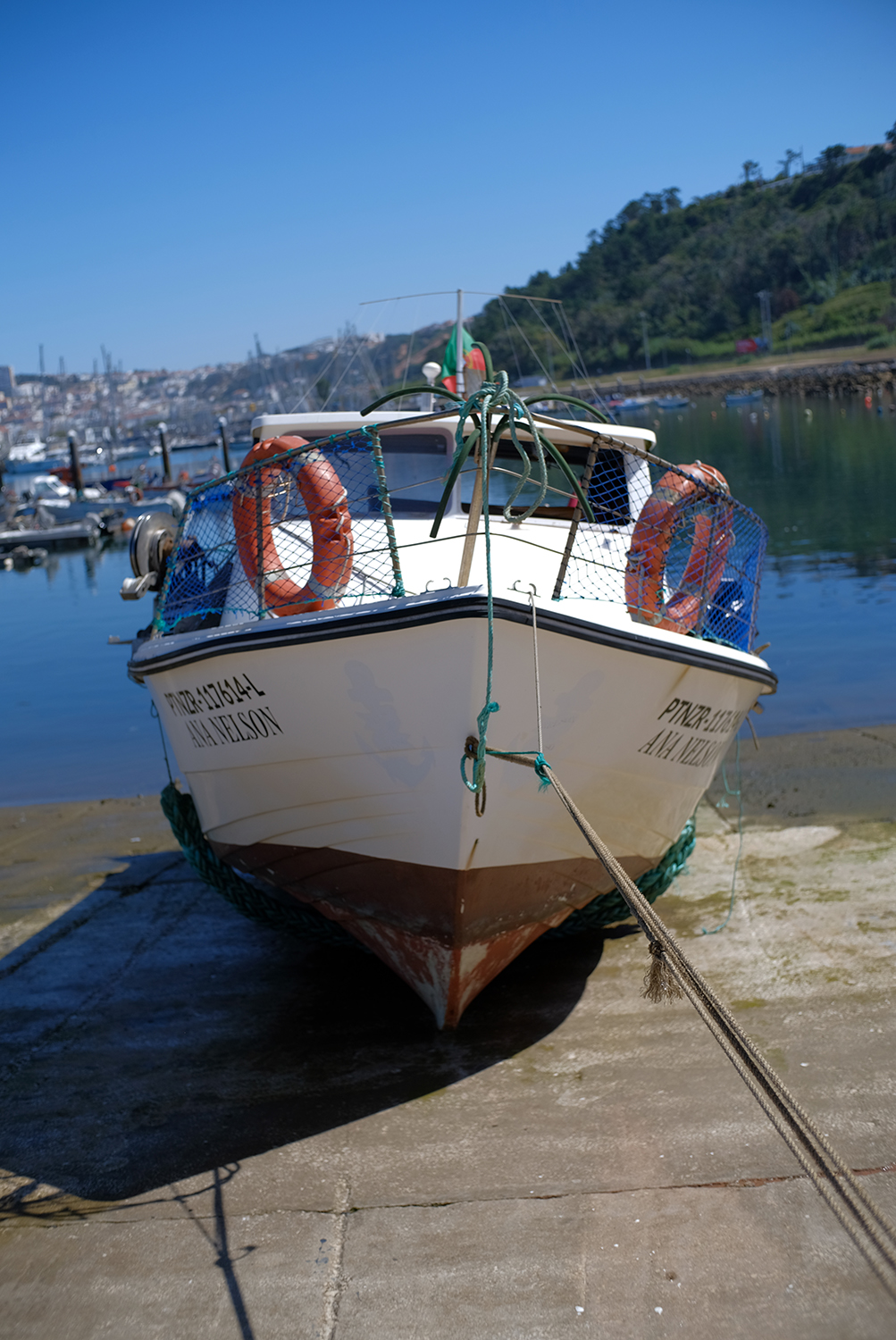
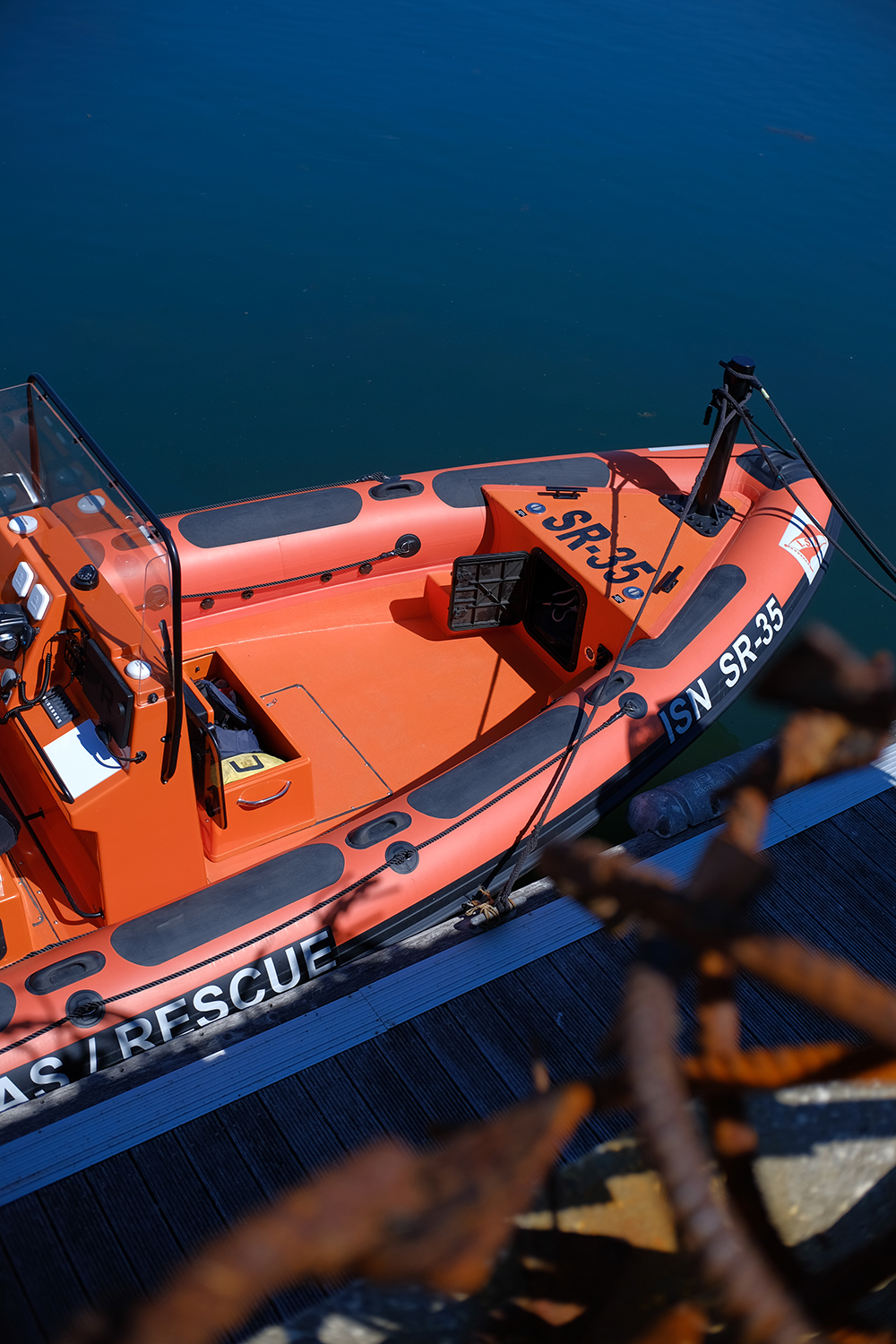

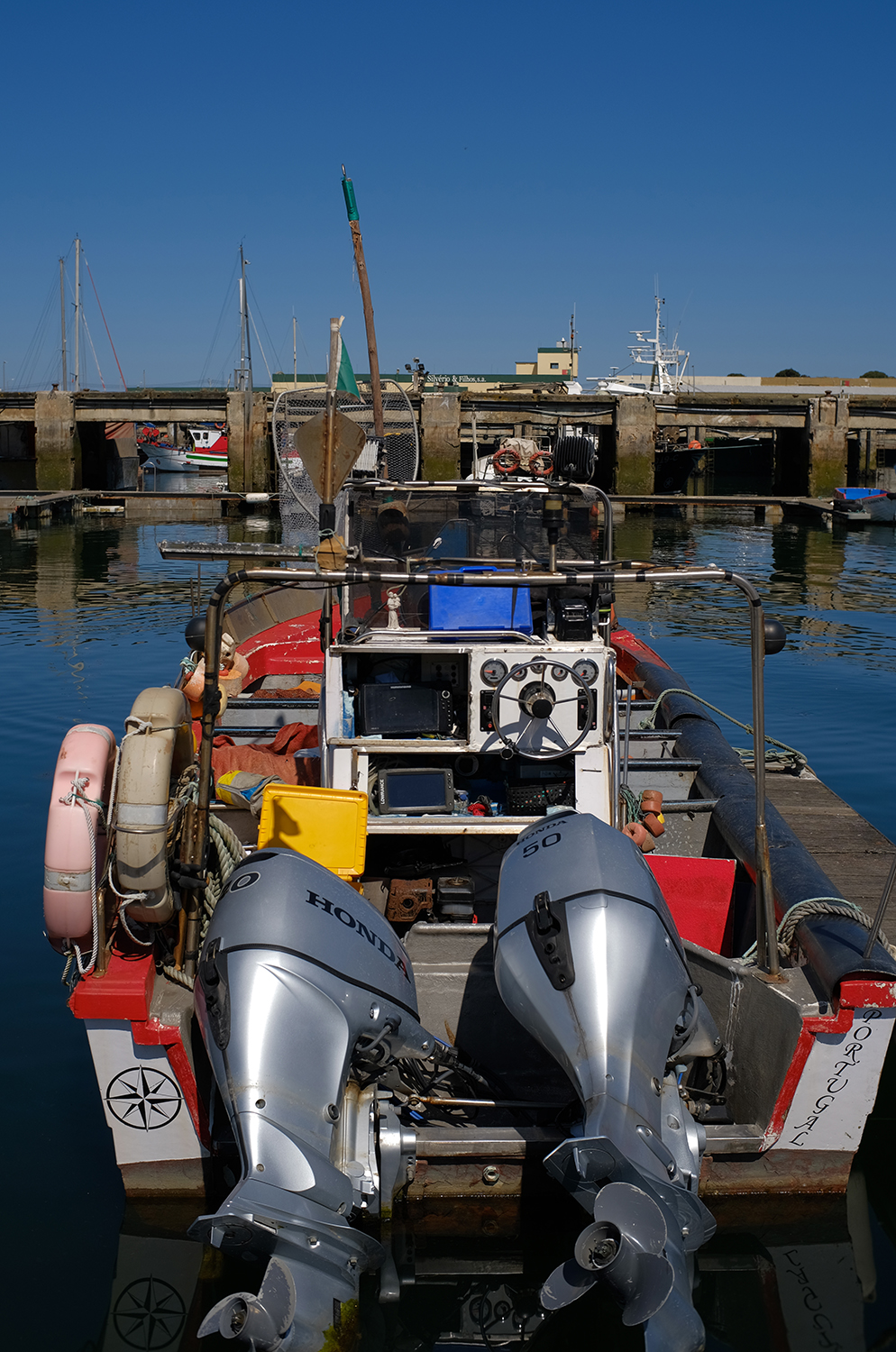
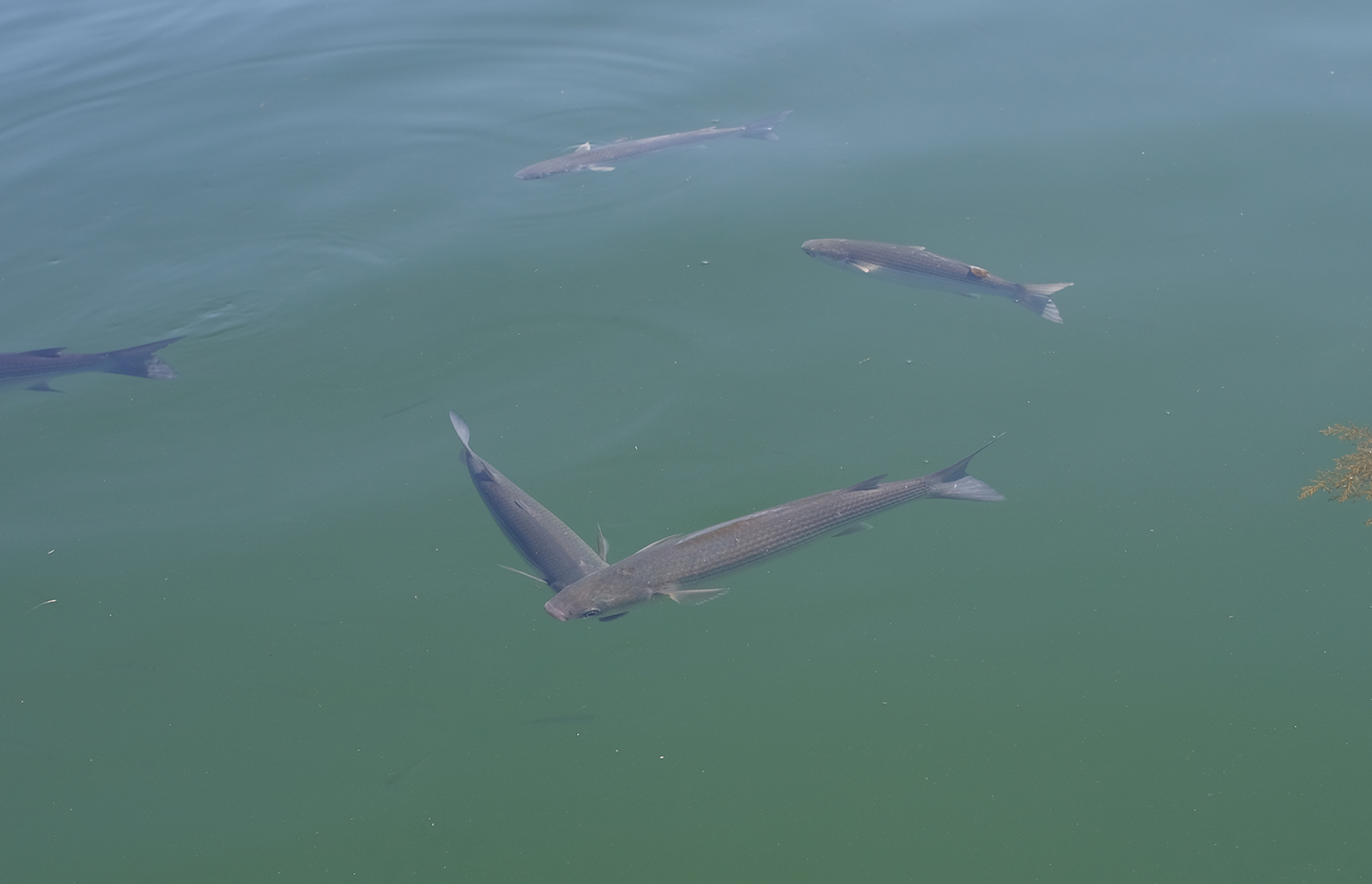
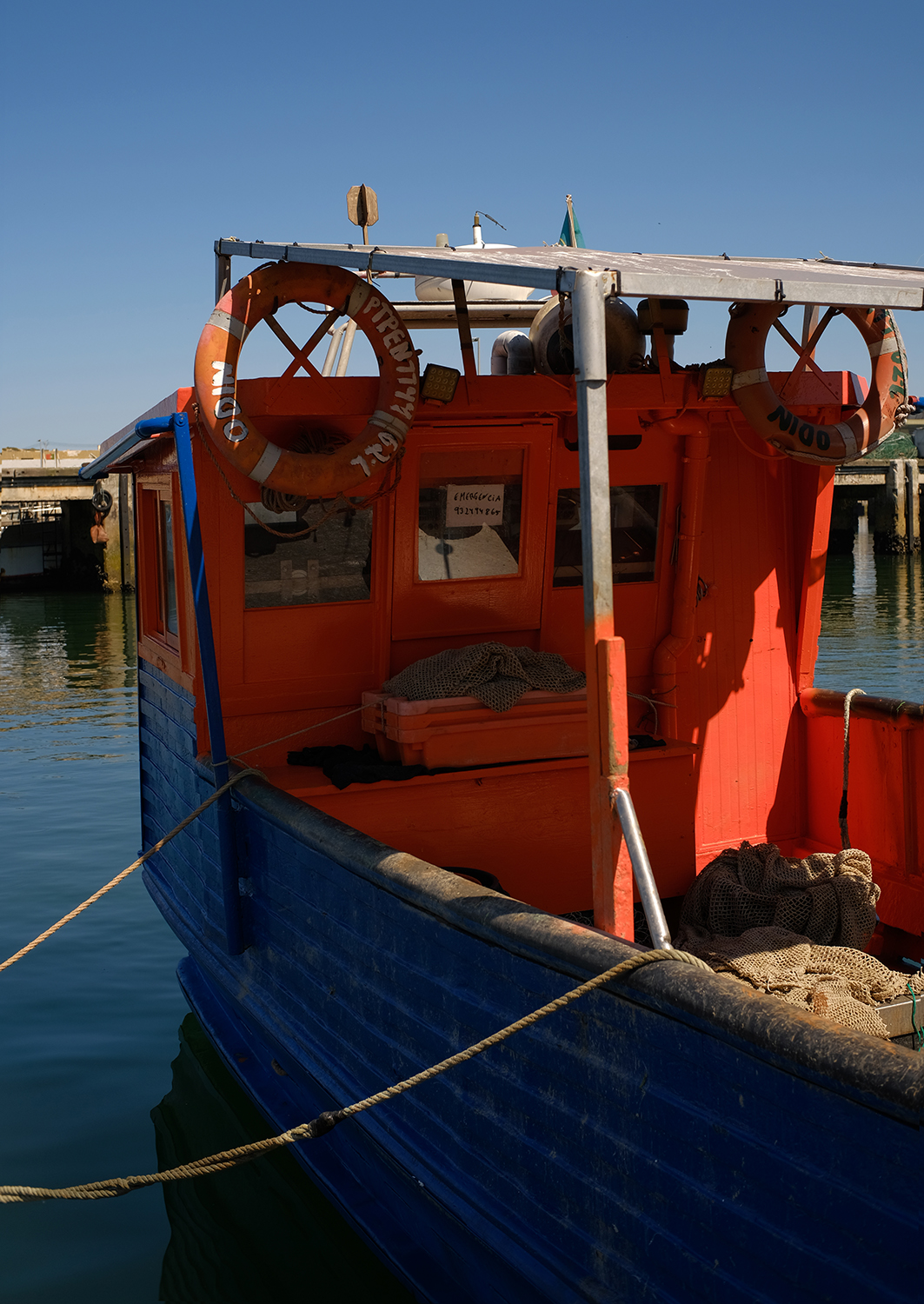

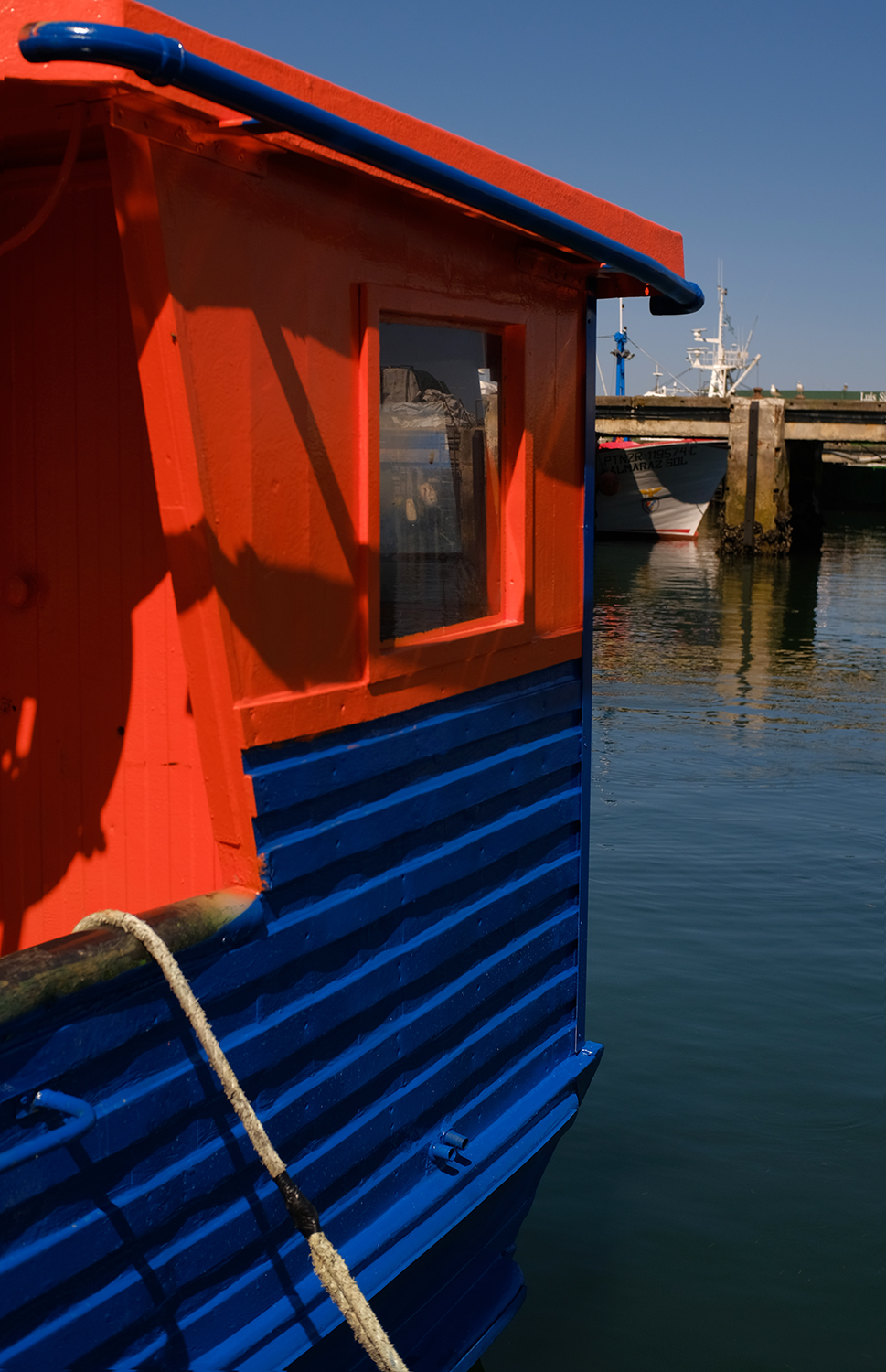


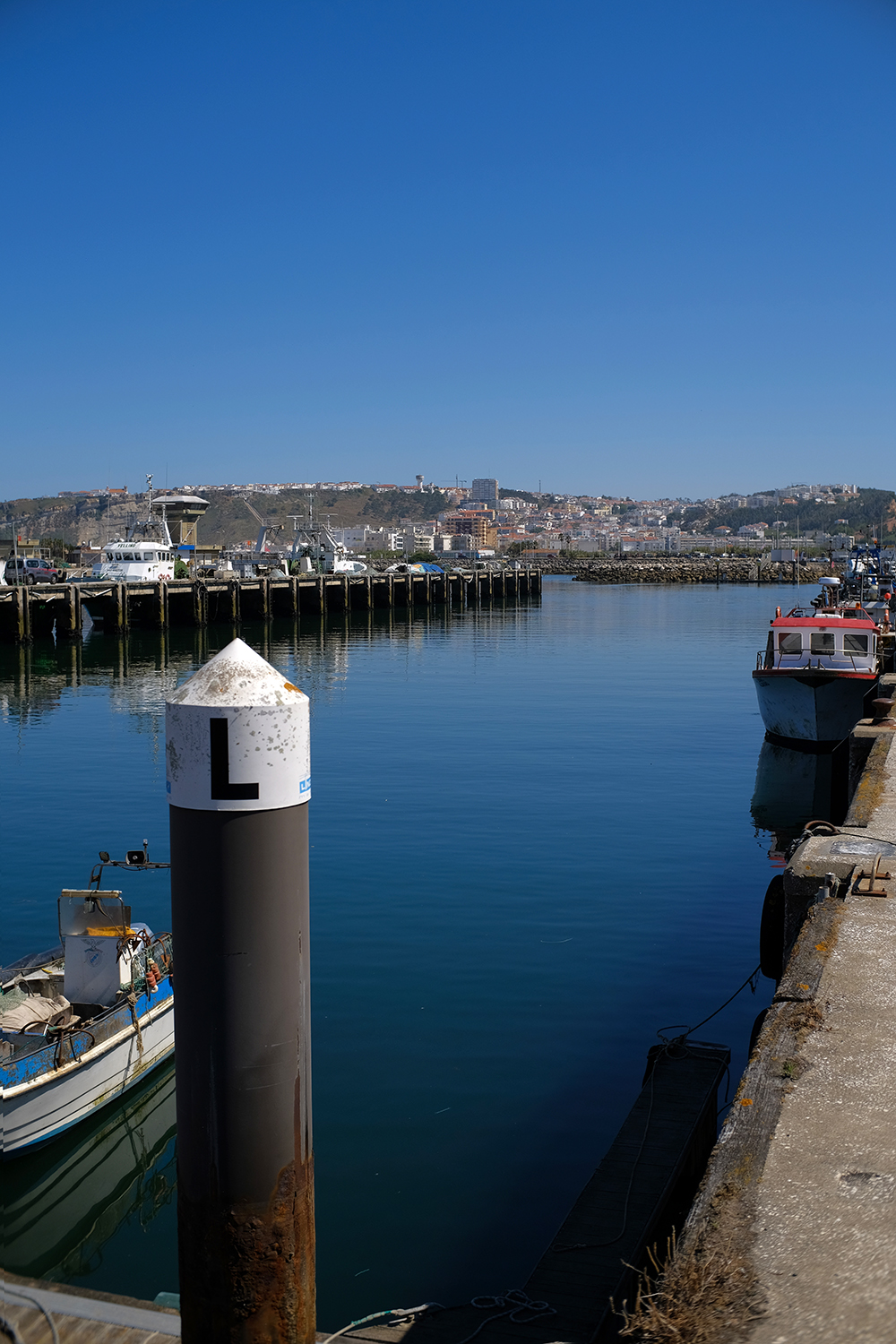

Film Setings: ” CLASSIC CHROME “
” CLASSIC CHROME NENO BASE 551 “
CLASSIC CHROME
Dynamic Range: Auto
Highlight: -1
Shadow: -2
Color: -1
Noise Reduction: 0
Sharpening: 0
Clarity: +3
Grain Effect: Off
White Balance: Auto
ISO: Auto
Exposure Compensation: (typically)



Deixe um comentário